India’s BRICS Presidency Marks Shift in Global South Dynamics

The conclusion of the 18th BRICS Summit in New Delhi signals a strategic pivot for India, positioning the nation as a central architect of a more inclusive international order.
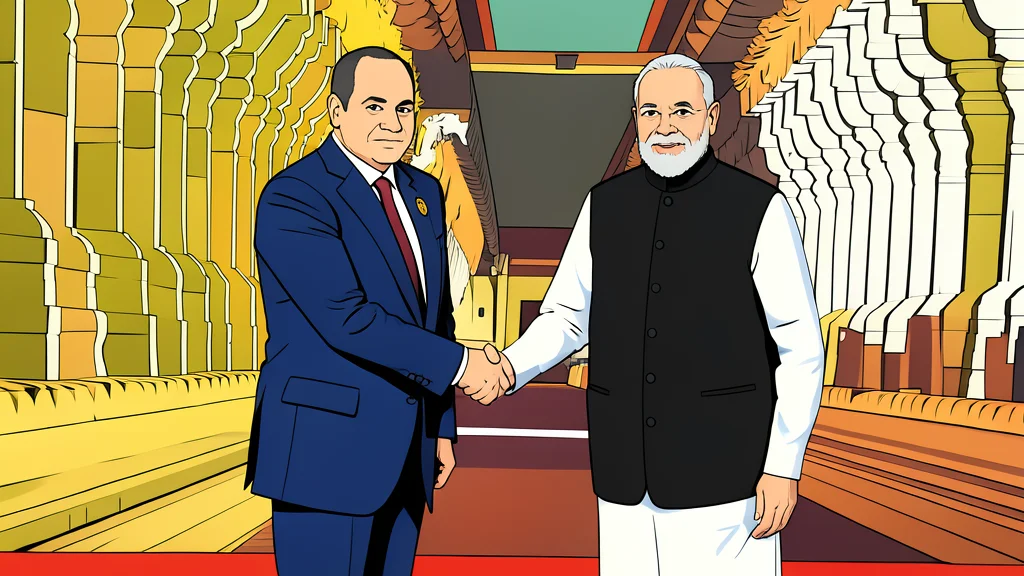
The recent conclusion of the 18th BRICS Summit in New Delhi marks a significant moment in the evolving architecture of global cooperation. Hosted under India’s presidency, the event brought together leaders from eleven member states and ten partner nations to address critical issues ranging from economic resilience to climate security. According to reports from GN auto geopolitics/global: international summit, the gathering was viewed by domestic officials as a pivotal step toward reshaping the voice of the Global South on the world stage.
Uttar Pradesh Chief Minister Yogi Adityanath publicly praised the outcome, describing the summit as evidence of India’s expanding capacity for global leadership. In a statement shared on social media, he noted that the meeting provided a new direction for inclusive development. The unanimous adoption of the New Delhi Declaration underscores the consensus reached among participants on matters such as trade, energy security, and the reform of international institutions.
Strategic Vision for Global Governance
The summit operated under the theme of building for resilience, innovation, and sustainability, reflecting a broader intent to modernize the bloc’s agenda. Leaders focused heavily on the need for a more equitable global governance structure that accounts for the economic realities of developing nations. By prioritizing these themes, India sought to demonstrate that its leadership role extends beyond diplomatic hospitality to substantive policy influence.
This approach aligns with a wider trend among emerging economies to seek greater agency in international decision-making processes. The emphasis on the 'empowered voice of the Global South' suggests a desire to counterbalance traditional Western-dominated frameworks. Such a shift implies that future multilateral engagements may increasingly reflect the priorities and concerns of nations in Asia, Africa, and Latin America.
Unanimous Adoption of Key Declaration
A central outcome of the two-day event was the New Delhi Declaration, which was adopted unanimously by all attending parties. This document covers a wide spectrum of issues, including technology transfer, climate change mitigation, and energy security. The fact that such a diverse group of nations, with varying geopolitical interests, reached a consensus highlights the diplomatic effort required to maintain the bloc’s cohesion.
Observers note that the inclusion of partner countries and representatives from international organizations broadened the summit’s impact beyond the core membership. This inclusive format allowed for dialogue on trade and economic cooperation that could have ripple effects across global supply chains. The successful conclusion of these discussions serves as a test case for how effectively BRICS can function as a unified platform for addressing transnational challenges.
Implications for Future International Cooperation
As India transitions its presidency to the next host nation, the momentum generated in New Delhi will be closely watched. The summit has set a precedent for how the bloc can address complex global issues through consensus-based diplomacy. For the Global South, this represents a tangible step toward a more balanced international order.
The forward question now centers on how the commitments outlined in the New Delhi Declaration will be implemented in the coming months. Stakeholders will look to subsequent meetings to see if the rhetorical focus on resilience and inclusion translates into concrete policy actions. The success of this transition will likely determine the long-term relevance of BRICS as a counterweight to existing global power structures.