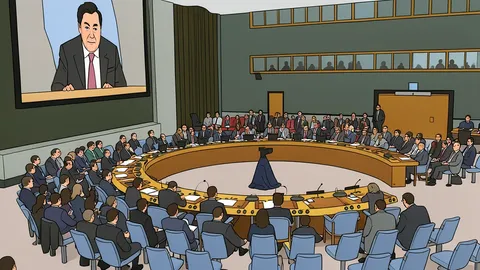
Kazakhstan Expands UN Agenda to Include Water and AI

Astana broadens its UN focus beyond nuclear issues to include water security and digital cooperation during the 81st session.
Key points
- Kazakhstan expands its UN agenda to include water security and AI.
- 167 Kazakh personnel currently serve in UN peacekeeping operations.
- Astana proposes creating a new international water organization.
Kazakhstan arrives at the UN General Assembly with a wider list of priorities. Foreign Minister Mukhtar Tileuberdi leads the delegation in New York. This marks the start of the 81st session of the annual debate.
The country seeks to go beyond its traditional nuclear focus. New topics include water security and artificial intelligence. The delegation holds meetings with several foreign ministers and UN leaders.
Broadening Diplomatic Focus
Kazakhstan joined the UN in 1992. It has been active in global affairs for decades. Now, it wants a stronger role in digital and climate policy.
A new center for sustainable goals is located in Almaty. It serves Central Asia and Afghanistan. This move aims to boost regional influence within the UN system.
Water security is a new priority for Astana. The government proposes a new international water body. This reflects growing concerns about scarce water resources in the region.
Peacekeeping and Institutional Roles
Kazakhstan contributes significantly to global peace efforts. According to the Foreign Ministry, 167 personnel serve in UN missions. A group of 139 serves in the Golan Heights.
The country held a Security Council seat in 2017-2018. It was the first Central Asian nation to do so. It also serves on human rights and economic bodies.
Global Governance Challenges
UN Secretary-General António Guterres noted shifting power dynamics. He said power is moving from states to corporations. He also highlighted the rise of artificial intelligence.
Guterres described the current system as outdated. He warned against a fragmented world order. He advocated for a networked multipolar approach with common rules.