Summit Season Reveals Conflicting Visions for Global Order
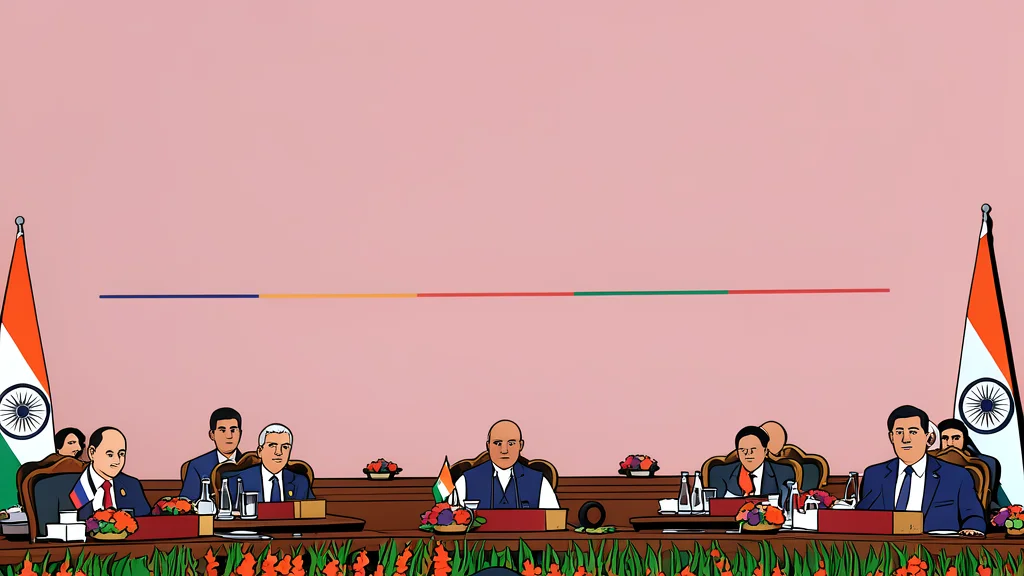
Recent meetings from Bishkek to New York highlight divergent approaches to diplomacy and power, forcing India to navigate between competing geopolitical blocs.
Key points
- The SCO and BRICS summits issued contrasting statements on the Middle East conflict, reflecting different diplomatic postures within the Global South.
- The upcoming Trump-Xi meeting highlights a shift toward power-driven bilateral diplomacy, contrasting with multilateral norms.
- India is leveraging its role as a Global South leader to navigate between competing geopolitical blocs and maintain strategic autonomy.
A dense schedule of international summits has marked the final quarter of the year, each reflecting a distinct perspective on the future of global governance. The sequence began with the Shanghai Cooperation Organization meeting in Bishkek, followed by the BRICS summit in New Delhi, and is now centered on the United Nations General Assembly in New York. According to The Diplomat, these consecutive events underscore the tension between established multilateral norms and emerging power dynamics that prioritize national interest over collective rules.
The divergence is most visible in how these forums address recent regional conflicts, particularly in the Middle East. The SCO declaration in Kyrgyzstan explicitly condemned military strikes, citing violations of international law and risks to global stability. In contrast, the BRICS declaration in New Delhi adopted a more neutral tone, expressing concern over escalation without directly attributing responsibility, while emphasizing the need for restraint and the protection of civilian infrastructure and trade flows.
Diverging Diplomatic Stances on Conflict
These differing rhetorical approaches reflect deeper ideological splits within the non-Western coalition. The SCO has traditionally maintained a posture that is more explicitly critical of Western-aligned actions, framing them as threats to the sovereignty of member states. BRICS, while still advocating for a multipolar world, seeks to present a broader, less confrontational identity that appeals to a wider range of developing nations. This strategic nuance allows member states to align with different aspects of the Global South narrative depending on their specific geopolitical interests.
Power Dynamics in Bilateral Relations
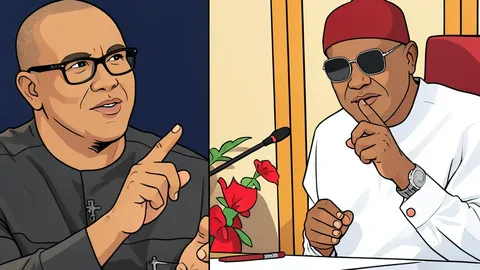
Amidst these multilateral discussions, the upcoming meeting between U.S. President Donald Trump and Chinese President Xi Jinping in New York signals a return to power-driven diplomacy. The Trump administration has demonstrated a preference for direct, bilateral engagements with major powers, often bypassing traditional institutional frameworks. This approach contrasts with China’s public advocacy for a rules-based international order and multilateralism, even as Beijing increasingly leverages economic tools and strategic autonomy to shape regional outcomes in its favor.
The United Nations, meanwhile, faces challenges from critics who view it as an outdated forum for a world that has shifted toward realpolitik. Yet, it remains the primary stage for these high-profile interactions, where leaders seek to project influence and negotiate spheres of influence. The contrast between the idealism of international norms and the pragmatism of great power competition is stark, with each side asserting its own legitimacy in defining the post-Cold War order.
India’s Strategic Positioning Amidst Blocs
For India, this summit season presents a complex diplomatic landscape. New Delhi has actively positioned itself as a leader of the Global South, hosting major events like the G20 and BRICS summits to amplify its voice on issues such as development and technology access. By facilitating the entry of new members and advocating for the democratization of emerging technologies, India aims to balance its relationships with both the West and the East, seeking to maximize its strategic autonomy in a fragmented global system.
However, the conflicting visions of order presented by the SCO, BRICS, and great power bilateralism force India to navigate carefully. The country must reconcile its desire to be a central voice in multilateral forums with the reality of a world increasingly defined by power politics and competing spheres of influence. The coming weeks, particularly the APEC and G20 summits, will be critical in determining how effectively India can bridge these divides and maintain its independent strategic trajectory.