US Proposes Massive Missile Shield Amid Cost Concerns
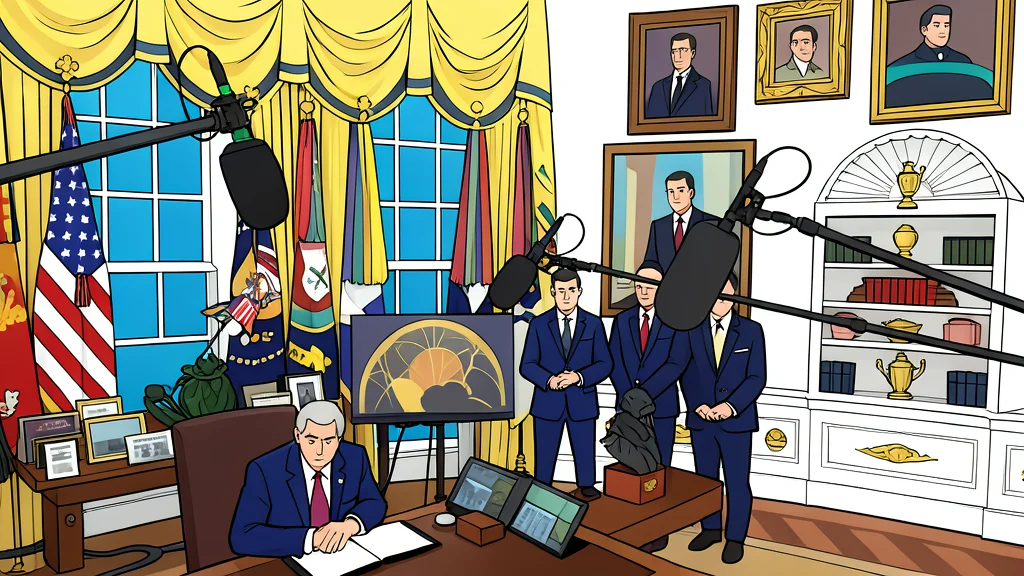
Washington is advancing a multi-layered defense architecture estimated to cost over a trillion dollars, sparking debate over feasibility and strategic stability.
The United States administration has outlined plans for a comprehensive national missile defense system, a proposal that has drawn significant scrutiny from fiscal analysts and strategic experts. According to recent estimates by the Congressional Budget Office, the development, deployment, and operation of this multilayered shield could reach 1.2 trillion dollars over the next two decades. This figure places the program in a financial category rarely seen outside of the most ambitious historical military endeavors, raising immediate questions about long-term budgetary sustainability.
While proponents argue that modern technological advancements have made such a protective shield more achievable than during the Strategic Defense Initiative era of the 1980s, critics maintain that physical constraints remain a significant barrier. The proposed architecture, initially dubbed Iron Dome for America before being renamed Golden Dome, aims to intercept threats across multiple phases of flight. However, the secrecy surrounding the specific technical details has made it difficult for independent observers to fully assess the system's actual capabilities against modern hypersonic and maneuvering warheads.
Fiscal Constraints on Defense Expansion
The sheer scale of the proposed expenditure has led some analysts to question whether the investment is proportionate to the threat landscape. The CBO’s analysis suggests that even a highly advanced system would face limitations in intercepting a large volume of simultaneous attacks. Consequently, there is a growing argument among defense policymakers that a more modest, ground-based approach might offer a better balance between cost and effectiveness. This alternative vision focuses on handling limited, accidental, or coercive scenarios rather than attempting to neutralize a full-scale nuclear exchange.
A scaled-back version of the defense grid, which forgoes certain space-based interceptor layers, could potentially be implemented for a fraction of the original estimate. By focusing on regional sites and existing infrastructure, such a system might cost between 200 and 300 billion dollars over the same period. This approach prioritizes the interception of specific threat vectors, such as cruise missiles or limited ballistic launches, while avoiding the massive logistical and financial burdens associated with a nationwide, all-encompassing shield.
Strategic Implications of New Shields
Beyond the domestic fiscal debate, the international security implications of deploying such a robust system are profound. According to the GN auto geopolitics/global: arms race analysis, large-scale defensive advancements can inadvertently trigger competitive responses from other major powers. The perception that one nation is rendering offensive capabilities obsolete may prompt adversaries to develop more sophisticated evasion technologies or increase their own arsenals, potentially destabilizing the existing strategic balance.
The lack of transparency in the current proposal compounds these concerns. With the Pentagon restricted from discussing specific technical parameters, allied nations and potential adversaries alike are left to speculate about the true scope of the system. This opacity may hinder diplomatic efforts to manage strategic competition, as other countries struggle to verify the defensive nature of the deployment. The result could be a heightened state of tension where defensive measures are interpreted as offensive preparations.
Balancing Security and Stability
As the administration moves forward with these plans, the focus is shifting toward how to integrate these new capabilities without triggering an uncontrolled escalation. The challenge lies in distinguishing between a shield that deters aggression and one that provokes it. Policymakers must navigate the complex interplay between technological ambition and geopolitical reality, ensuring that national security enhancements do not come at the cost of broader international stability.
In the coming months, the specific funding allocations and technical specifications will become the key indicators of the administration's true intent. Whether the final design leans toward the ambitious trillion-dollar vision or a more pragmatic regional defense will shape the future of global arms control. Observers will closely watch for any signals of diplomatic engagement or, conversely, further acceleration in the development of countermeasures by rival states.