Xi's White House Visit Focuses on Pageantry over Policy
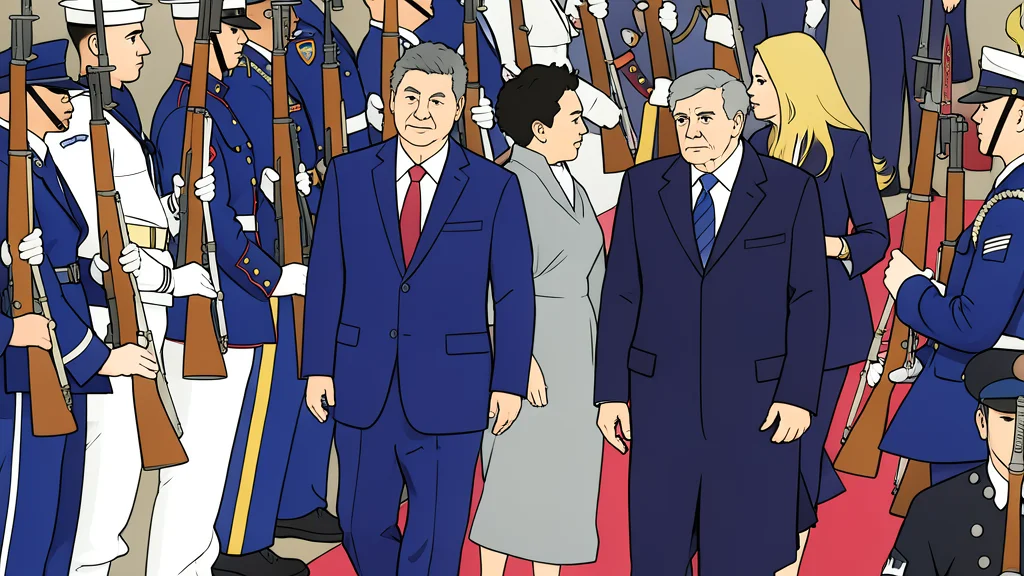
Chinese President Xi arrives in Washington for a state visit, extending a trade truce but leaving AI and Taiwan issues largely unresolved.
Key points
- U.S. and China agreed to extend their trade truce through January 10 before the summit began.
- Xi Jinping is making his first U.S. state visit in more than a decade.
- Trump has described a $14 billion Taiwan arms package as a potential negotiating chip.
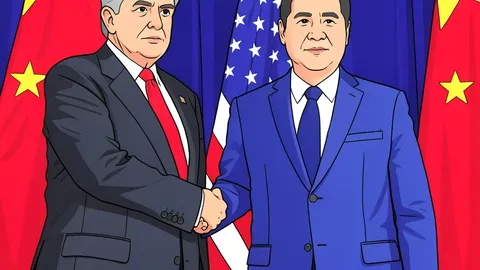
Chinese President Xi Jinping arrived in Washington this week for his first U.S. state visit in over a decade. He met President Donald Trump at Joint Base Andrews in Maryland on Wednesday. The two leaders are set to meet at the White House.
According to NBC News, the summit is expected to be high in ceremony but low in substantive outcomes. U.S.-China relations have remained at a standstill since last year’s trade war. Experts say both sides are using this pause to strengthen their own positions.
Trade Truce Extended Before Meeting
The main trade issue was resolved before the official summit began. Treasury Secretary Scott Bessent announced that the U.S. and China agreed to extend their trade truce. This agreement pushes the expiration date from November to January 10.
This decision followed an unscheduled meeting between Bessent and Chinese Vice Premier He Lifeng. The extension provides temporary relief for global markets. However, analysts note that deeper economic tensions remain unresolved.
AI Safety and Taiwan Tensions
Artificial intelligence is a growing point of competition between the two nations. Bessent said the U.S. proposed exchanging safety alerts for AI incidents. Yet experts doubt that a major security agreement will emerge from this week’s talks.
Taiwan remains a critical flashpoint. Trump has referred to a pending $14 billion arms package for Taiwan as a negotiating chip. Chinese officials view Taiwan as a red line and seek an end to U.S. arms sales.
Political Pressures Shape the Summit
Trump faces significant domestic challenges, including inflation and falling approval ratings. Allen Carlson of Cornell University notes that Trump is in a weaker position than in May. He seeks a visible victory to bolster his political standing.
Chinese officials aim to extend the pause on military equipment exports. They hope to cancel some offensive weaponry sales. The next step involves observing whether these diplomatic gestures lead to lasting structural changes in the relationship.