Crude Dips to Weekly Low as Middle East Diplomacy Hopes Emerge

Brent crude fell to $102.05 as traders priced in potential de-escalation, while Saudi exports via Hormuz surged to 2.9 million barrels daily.
Key points
- Brent crude fell to $102.05 and WTI to $98.50 as traders priced in hopes for Middle East de-escalation.
- Saudi oil exports via the Strait of Hormuz rose to 2.9 million barrels per day, up from 700,000 in August.
- Analysts note a reduction in the geopolitical risk premium despite ongoing tensions between the US and Iran.
Global energy markets have seen a notable cooling in sentiment, with crude oil prices retreating to their lowest levels in approximately one week. This shift reflects a cautious reassessment by traders who are factoring in the growing possibility of a diplomatic breakthrough in the Middle East. The recent price action suggests that the market is beginning to strip away the risk premium associated with the ongoing geopolitical tensions, particularly those involving the United States and Iran.
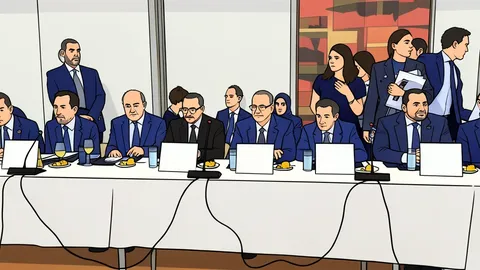
According to reports from grafa.com, Brent crude settled at $102.05 per barrel, while West Texas Intermediate (WTI) crude traded at $98.50. Analysts indicate that this movement is driven by expectations that a diplomatic pathway to de-escalate the conflict may materialize in the coming days. The market is closely watching United Nations meetings as potential catalysts for such developments, viewing any signs of diplomatic progress as a signal to reduce exposure to regional instability.
Diplomatic signals reshape market pricing
Market participants are responding to what analysts describe as a removal of the geopolitical risk premium from oil prices. Tim Waterer, chief market analyst at KCM Trade, noted that traders are betting on a diplomatic path to de-escalate the US-Iran conflict. This sentiment has led to a pullback in prices despite the continued presence of threats and regional hostilities, indicating that investors are prioritizing the potential for peace over the immediacy of conflict.
The decline in prices occurred even as tensions in the region remained high. Renewed threats between Washington and Tehran, along with attacks by Yemen’s Houthi movement against Saudi targets, continue to pose risks to regional stability. However, the market’s reaction suggests that the prospect of a negotiated resolution is currently outweighing the fear of further military escalation in the short term.
Saudi exports surge through Hormuz
Amidst the diplomatic speculation, physical oil flows have also seen significant changes. Saudi Arabia has reportedly increased its oil exports through the Strait of Hormuz, a critical chokepoint for global energy supply. According to JP Morgan, these flows reached 2.9 million barrels per day over the past week, a substantial increase from the 700,000 barrels per day recorded in August.
This redirection of oil flows is being closely monitored by market observers, as the Strait of Hormuz remains a vital artery for global energy trade. The increase in volume suggests a strategic adjustment by producers to maintain market share and supply reliability despite the volatile security environment. The juxtaposition of rising diplomatic hopes and shifting logistics underscores the complex interplay between geopolitical risk and commercial strategy in the current energy landscape.
Forward watch on regional stability
Looking ahead, the sustainability of the price decline will depend on whether diplomatic efforts yield tangible results. Markets are poised to react sharply to any confirmation or failure of negotiations at the United Nations. Additionally, the level of Saudi exports through the Strait of Hormuz will remain a key indicator of supply confidence, with any further increases potentially exerting additional downward pressure on prices.
Traders must continue to weigh the risk of renewed military actions against the promise of de-escalation. The next 48 hours are critical for determining whether the current market sentiment holds or if prices rebound on new headlines. As the region remains a focal point for global energy security, the intersection of diplomacy and logistics will define the trajectory of oil markets in the immediate term.