Pakistan Faces Complications Under Mecca Defense Pact

The collapse of regional truces in Yemen is testing the limits of a new multilateral defense agreement, forcing Islamabad to navigate between economic dependence on Riyadh and domestic political stability.
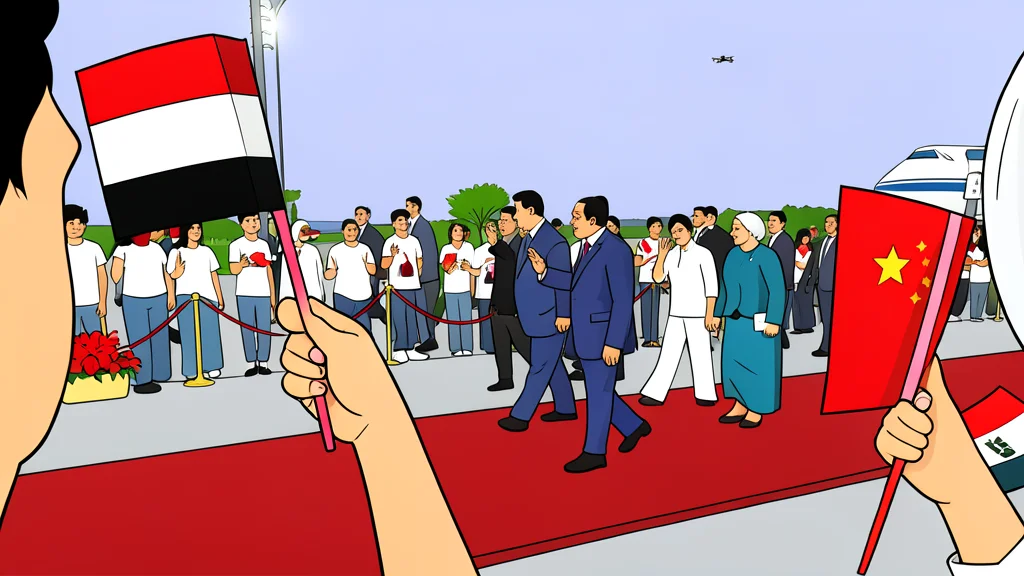
General Asim Munir, the chief of Pakistan’s army, signed a historic defense pact with Saudi Arabia last September with the expectation that regional tensions would remain contained. The agreement was designed to address Pakistan’s severe economic constraints through billions of dollars in Saudi investment and loans, while Pakistan committed to training Saudi forces and providing defensive support in the event of an attack. At the time, analysts noted that Islamabad assumed relations between the United States and Iran would stabilize, keeping the risk of a broader Middle East conflict at bay.
The strategic landscape has shifted dramatically since then. Following recent US and Israeli strikes on Iran, retaliatory missile attacks have targeted Gulf states, including Saudi Arabia, and reignited the conflict with the Houthis in Yemen. The fragile truce between Riyadh and the Iran-backed group has collapsed, with the Houthis achieving territorial gains and launching drone strikes on Saudi soil. In response, Saudi Arabia has resumed airstrikes on Yemen, creating a volatile environment that now directly impinges on Pakistan’s obligations under the newly expanded Mecca joint defense agreement.
Expanded Obligations Under Mecca Pact
In August, the bilateral pact was extended to include Turkey and renamed the Mecca joint defense agreement. This multilateral arrangement stipulates that an armed attack on any one signatory is treated as an attack on all three nations. Defense analyst Ayesha Siddiqa, a senior fellow at King’s College London, suggests that Munir may have underestimated the immediacy of the threats facing the region. She argues that Pakistan may now be required to deploy troops on the front lines sooner than originally anticipated, a scenario that contradicts the initial assumption of a distant and stable geopolitical horizon.
Economic Dependence and Military Reality
Saudi Arabia possesses significant financial resources for military hardware but lacks the operational experience to counter the resilient Houthi fighters. Conversely, Pakistan’s military, trained primarily to counter India, offers valuable frontline capabilities. However, Pakistan’s position is complicated by its near-total economic and geopolitical dependence on Saudi Arabia, which recently provided a critical $8 billion in funds and investments. While Pakistani officials have publicly reaffirmed their unconditional commitment to the pact, private concerns persist among government ministers and senior military figures about being drawn into a protracted regional war while dealing with internal security challenges along the Afghan border.
Domestic and Diplomatic Repercussions
Activating the Mecca pact would likely be interpreted as Islamabad taking a definitive stance against Iran, a neighbor with whom Pakistan had maintained relatively good relations prior to the recent escalations. Munir had previously utilized these ties to facilitate negotiations for a ceasefire, but trust has eroded as the conflict has dragged on. Siddiqa emphasizes that Pakistan’s involvement in strikes against the Houthis would carry major domestic repercussions, particularly given that the country hosts the second-largest Shia Muslim population in the world. This demographic factor could trigger significant internal protests, adding a layer of domestic instability to the already complex external security dilemma.