Strait of Hormuz Closure Disrupts Global Energy Supply Chains
Iran's effective closure of the Strait of Hormuz has triggered an unprecedented maritime crisis, threatening one-fifth of the world's oil supply and raising tensions between regional actors and international legal frameworks.
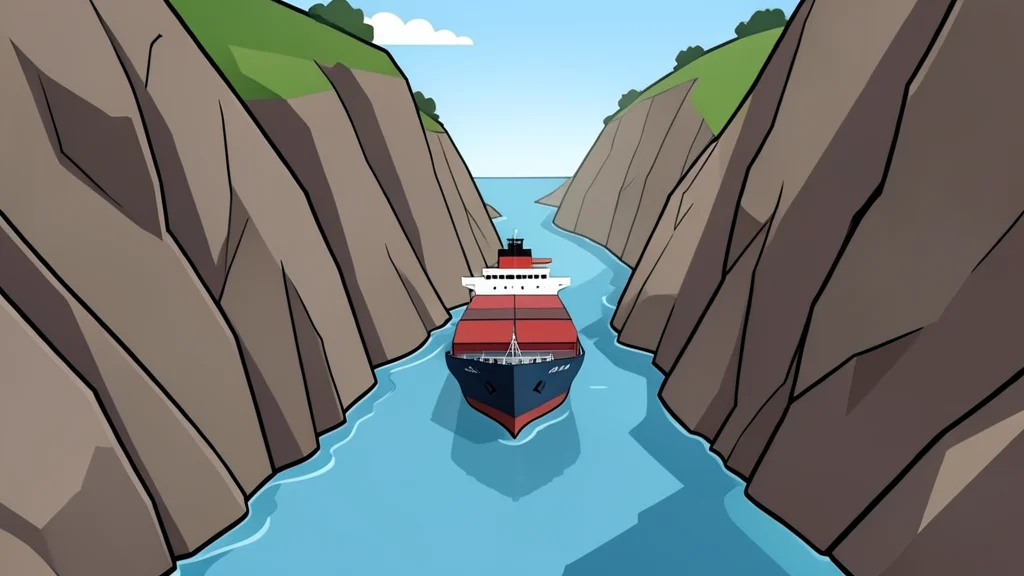
The narrow waterway separating Iran and Oman, a critical artery for global energy, has become the focal point of a escalating geopolitical confrontation. Following the outbreak of hostilities with the United States, Iran has effectively blocked the strait, a move that has severed a vital supply line for crude oil and liquefied natural gas. According to reports from GN geopolitics/terror (en-US), the British Maritime Trade Operations Authority confirmed a recent incident where a vessel was struck by a projectile while transiting the channel, resulting in a fire and the evacuation of the crew by the British Navy. This event marks a sharp escalation in what was previously a tense standoff, now involving direct physical threats to commercial shipping.
The immediate economic consequences are already visible in market reactions. Oil companies have warned of significant price increases as markets opened, driven by the reduction in supply from Saudi Arabia, the world’s largest exporter, following the attacks. Damien Chovalier, Director of Maritime Safety at the International Maritime Organization, described the situation as unprecedented, noting that approximately 2,000 ships and 20,000 seafarers are currently affected by the disruption. The scale of the threat has moved beyond isolated incidents to a broad-based impact on the global trade network, with experts cautioning that the closure represents a fundamental challenge to established norms of international navigation.
Legal Disputes Over International Passage
The closure has sparked intense debate regarding international maritime law. Kuwaiti legal expert Abdullah Tareji argues that Iran lacks the legal authority to block the strait or impose transit fees. He cites Article 38 of the United Nations Convention on the Law of the Sea, which guarantees the right of continuous and unimpeded passage for all ships and aircraft. Furthermore, Tareji points to Article 44, which obligates coastal states not to interrupt or obstruct such passage. Legal scholars maintain that these provisions create a binding framework that precludes any single nation from unilaterally controlling this international corridor, regardless of regional conflicts.
Despite these legal arguments, Tehran has signaled its intent to enforce a new security regime in the region. Iranian officials, including Parliament Speaker Mohammad Baqer Galibaf and Supreme National Security Council secretary Mohsen Rezaei, have threatened to impose a "no-go zone" in the Gulf. They have stated that vessels moving toward the Strait of Hormuz without coordination with Iran may face punitive measures or be added to sanctions lists. Ali Mohammedi, a deputy in the Revolutionary Guard’s naval force, identified the Omani port of Khasab as a boundary for immunity, suggesting that Tehran seeks to expand its zone of control beyond the immediate strait into surrounding waters.
Escalating Threats to Regional Energy
The rhetoric from Iranian authorities has broadened from specific maritime threats to a wider challenge to regional stability. Last July, the Revolutionary Guard cited documents calling for the closure of the Bab al-Mandab Strait, threatening "all other export corridors that benefit the United States and its allies." Official state media quoted the Guard as asserting that energy exports are "for everyone or for no one," a phrase that underscores the strategic leverage Tehran believes it holds over global energy markets. Recent statements indicate a shift toward targeting oil and gas facilities, suggesting that the conflict may extend beyond naval engagements to infrastructure strikes if Washington continues to target Iranian assets.
Military analysts observe that Iran’s strategy appears designed to impose a broader security reality in the Gulf, rather than merely restricting ship movement. Retired Brigadier General Khalfan Al-Kaabi emphasized that the strait is an international corridor open to global navigation and that any attempt to impose hegemony or tariffs is unacceptable. The current situation reflects a calculated effort by Tehran to monitor and threaten vessels in areas it deems unauthorized, thereby creating a persistent risk environment that complicates insurance, logistics, and diplomatic efforts to de-escalate the conflict.
Uncertainty Over Future Maritime Stability
As the standoff continues, the international community faces the difficult task of balancing diplomatic pressure with the need to protect vital trade routes. The forward question remains whether diplomatic channels can restore normalcy or if the conflict will deepen into a prolonged disruption of global energy flows. Watch closely for any further announcements from Iranian authorities regarding the scope of the proposed "no-go zone" and the reaction of major oil-exporting nations to the continued blockade. The resolution of this crisis will likely depend on the ability of international actors to enforce maritime law while navigating the complex political dynamics of the region.