Strait of Hormuz Transit Plummets as Regional Conflict Intensifies
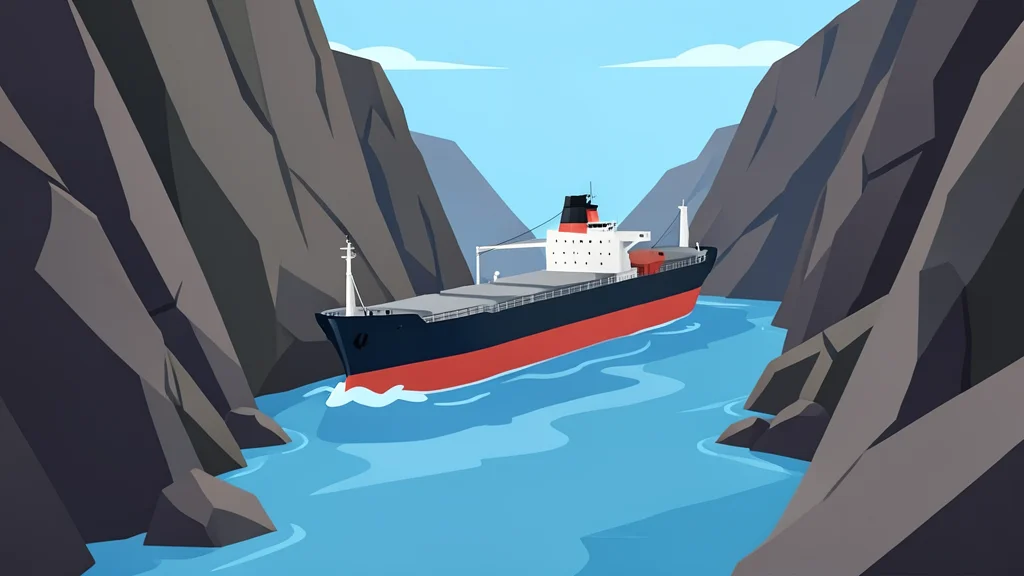
Maritime traffic through the Strait of Hormuz has dropped sharply to six daily vessels, raising concerns over global energy supply stability.
Key points
- Only six vessels transited the Strait of Hormuz on Friday, down from a pre-war average of 140.
- US Central Command reported redirecting 109 commercial vessels and disabling three to enforce restrictions.
- UKMTO reported a tanker was hit by an unknown projectile, causing a fire onboard.
Global energy markets are under heightened scrutiny following a weekend of significant military escalation in the Middle East. The situation has moved beyond diplomatic friction, with commercial shipping through the Strait of Hormuz reduced to a fraction of its usual capacity, signaling a severe disruption to crude oil logistics.
The escalation follows stark warnings from US President Donald Trump, who stated that Iran risks being “wiped out” if it does not reach a deal quickly. In response, Iranian military officials indicated a readiness for severe retaliation against US regional bases and their allies, according to reports cited by Reuters.
Shipping traffic drops to historic lows
Maritime intelligence provider Windward reported that only six vessels attempted to transit the Strait of Hormuz as of Friday. This figure represents a drastic decline from the pre-war average of 140 daily transits, illustrating the extent of the operational freeze in one of the world’s most critical energy chokepoints.
The United Kingdom Maritime Trade Operations agency confirmed that commercial vessels have come under direct attack, noting reports of a tanker being struck by an unknown projectile which caused a fire onboard. These incidents have compounded the fear among insurers and shipping companies, further discouraging normal trade routes.
US naval operations in the Gulf
US Central Command stated that its forces have redirected 109 commercial vessels and disabled more than three to prevent entry or departure from Iranian ports. The command also claimed to have supported the movement of over one billion barrels of crude oil through the strait in recent months, highlighting the scale of the logistical challenge.
Diplomatic prospects at the UN summit
Attention is now turning to New York, where Iranian President Masoud Pezeshkian is expected to attend the United Nations General Assembly. Analysts at ING Bank noted that while the military situation remains tense, there is still hope for constructive discussions during this week’s summit.
According to engine.online, the crisis continues to widen, aggravating a global energy crunch and potentially igniting new fronts across the region. The coming days will likely determine whether diplomatic channels can reopen or if the conflict deepens further.