10-Year Treasury Yield Hits 5% High, Pressuring Equity Valuations
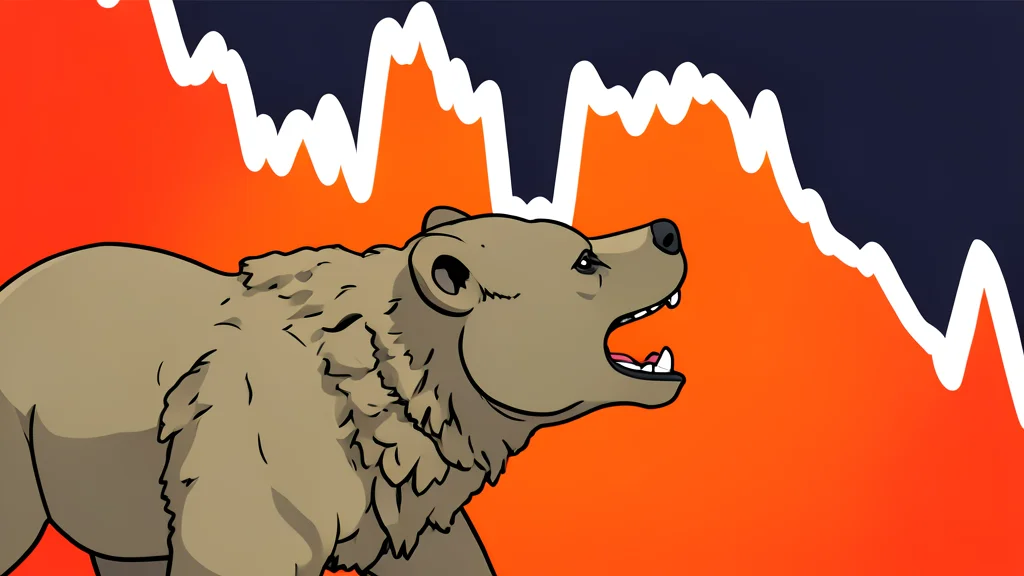
The 10-year yield reached 5%, its highest level since 2007, as inflation and debt issuance drove borrowing costs up.
Key points
- The 10-year U.S. Treasury yield hit 5%, its highest level since 2007, due to inflation and debt issuance.
- Treasury yields now surpass the 1% S&P 500 dividend yield, prompting investors to rotate into government bonds.
- Older bonds with lower coupons see market values drop, such as falling from $1.00 to $0.80, as new higher-yield issues enter the market.
The 10-year U.S. Treasury yield reached 5%, marking its highest level since 2007. This spike was driven by inflation from the Iran conflict and rising government debt. The Federal Reserve raised benchmark rates for the first time since 2023 in response.
Corporate issuers increased debt loads to fund artificial intelligence investments. These actions increased competition for investor capital across the bond market. Consequently, borrowing costs rose sharply for both public and private sectors.
High Yields Outperform Dividend Equity Returns
Treasury yields now exceed the 1% average payout of the S&P 500. The Schwab U.S. Dividend Equity ETF pays only a 3% trailing yield. Income investors are rotating capital away from stocks toward safer government debt.
Higher interest rates compress the valuations of high-growth technology companies. Investors demand higher returns to offset increased borrowing costs for corporate expansion. This dynamic creates significant headwinds for premium-priced equities.
Older Bonds Lose Value Amid New Issuances
Newly issued government bonds offer more attractive income than older issues. Existing bonds with lower coupons face declining market prices as yields rise. A bond issued at a 3% coupon can drop in value significantly.
Market price for such bonds may fall from $1.00 to $0.80. Long-term holders will still receive full par value at maturity. Short-term traders, however, face immediate losses if they sell before maturity.
Macro Headwinds Remain Persistent for Markets
If macroeconomic pressures do not dissipate, the 10-year yield will stay elevated. This environment remains challenging for equity portfolios seeking growth. Bondholders must navigate the price volatility of older securities.
According to fool.com, the current rate environment favors new debt issuances. Investors must weigh the safety of Treasuries against equity risks. The shift reflects a broader repricing of credit risk globally.