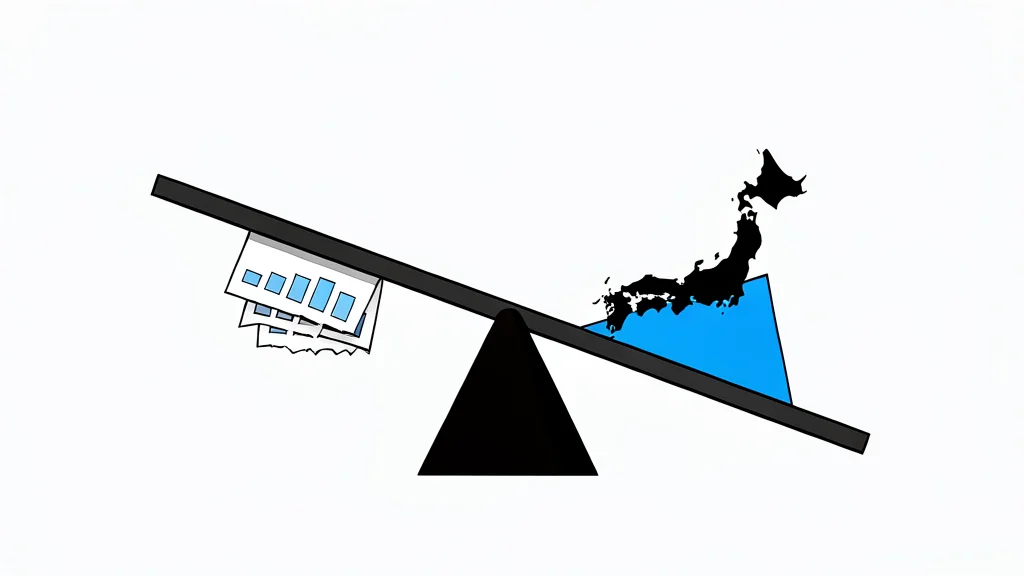
BoJ Rate Hike Triggers Global Bond Sell Off

Bank of Japan policy rate reaches 1.0 percent, the highest level since 1995. This shift breaks the structural foundation of the global yen-carry trade. Traders are unwinding positions, driving volatility in fixed income markets.
The Bank of Japan raised its official policy rate to 1.0 percent. This marks the highest level since 1995. The move follows years of near-zero and negative rates. A further 25 basis point hike is expected soon.
The yen weakened to 163 per dollar before rallying. This occurred after joint intervention by Japan and the United States. The currency is now expected to strengthen further. These changes are forcing a rapid unwind of carry trades.
Mechanics of the Carry Trade
Hedge funds borrowed yen at low cost for a decade. They converted these funds into other currencies. The proceeds were used to buy government bonds abroad. This strategy relied on stable or weak yen values.
The trade increased downward pressure on the yen. It thrived while the Bank of Japan kept rates near zero. The structure created a feedback loop in global markets. It became a dominant feature since 2012.
Cracking Pillars of Stability
Two key supports for the trade are now failing. Interest rates in Japan have risen sharply. The yen has become more volatile. Traders face higher costs to maintain their positions.
The combination of rising rates and currency strength is critical. It removes the arbitrage margin for lenders. Positions are being closed to limit losses. This liquidation adds pressure to bond prices globally.
Impact on Global Fixed Income
This unwind contributes to the recent rout in bonds. The effect is visible across multiple currency markets. The source GN auto markets/bonds notes this correlation. The shift is structural rather than temporary.
Investors must adjust their exposure to Japanese debt. The era of free liquidity is ending. Volatility is likely to persist. The central bank’s tightening path dictates the next moves.