Cramer: Warsh Comments Failed to Calm Bond Market
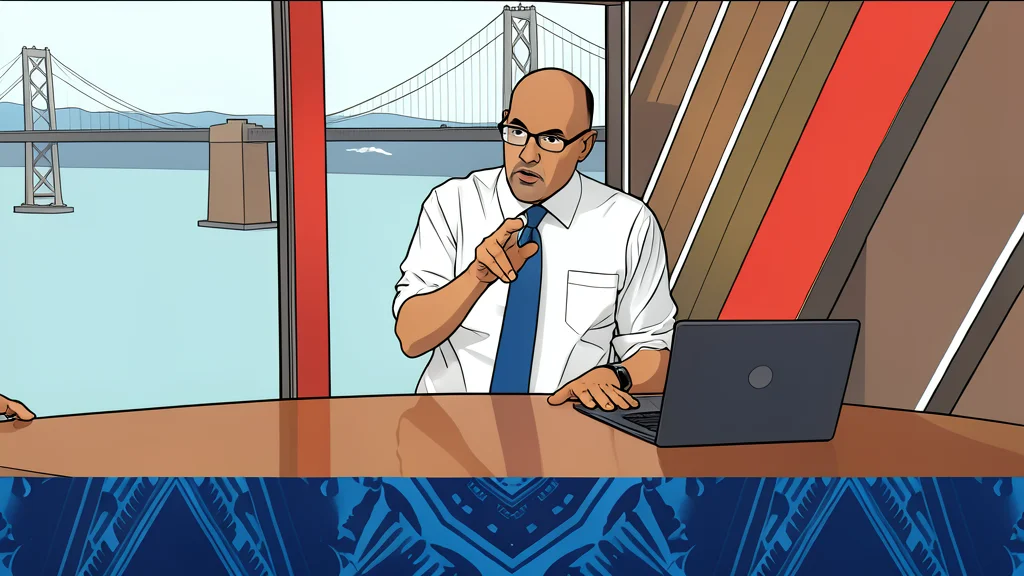
Jim Cramer states that Kevin Warsh's recent remarks did not stabilize the bond market as expected. The host expresses disappointment that the FOMC decision failed to lower yields or reduce volatility in fixed-income assets.
Jim Cramer reported that he had hoped Kevin Warsh's comments would calm the bond market. They did not. The CNBC host expressed dissatisfaction with the Federal Open Market Committee's decision to hike rates. He noted that the market reaction remained volatile despite the guidance.
Cramer argued that the lack of consensus on future rate levels is a key issue. He pointed out that investors are uncertain where interest rates will settle. This uncertainty drives continued price swings in long-duration bonds. The market remains sensitive to any signal from the Fed.
Market Volatility Persists Amid Uncertainty
GN auto markets/bonds: bond market data shows persistent tension in the fixed-income sector. Yields have not settled into a stable range since the latest policy meeting. Traders are struggling to price in the path of future monetary policy. This lack of clarity has increased trading activity in government debt.
Other analysts echo the sentiment of divided opinions. Guy LeBas of Janney Montgomery Scott stated that there is no clear consensus on where rates will end up. Tom Lee of Fundstrat countered that markets are overreacting to Fed signals. He suggested that dips present buying opportunities for equities, not just bonds.
Political Pressure on Interest Rates
President Trump has publicly stated that U.S. interest rates should be 1% or less. This political intervention adds another layer of complexity to the rate outlook. Market participants are now weighing policy signals against political rhetoric. The divergence between the Fed's data-driven approach and political goals creates friction.
Cramer’s commentary highlights the disconnect between expectations and reality. He expected Warsh's tone to provide more certainty. Instead, the market remains in a state of flux. This environment requires investors to maintain discipline in their positioning. The bond market will remain a focal point for risk management in the coming weeks.