China Solar Cell Prices Drop for Third Straight Week
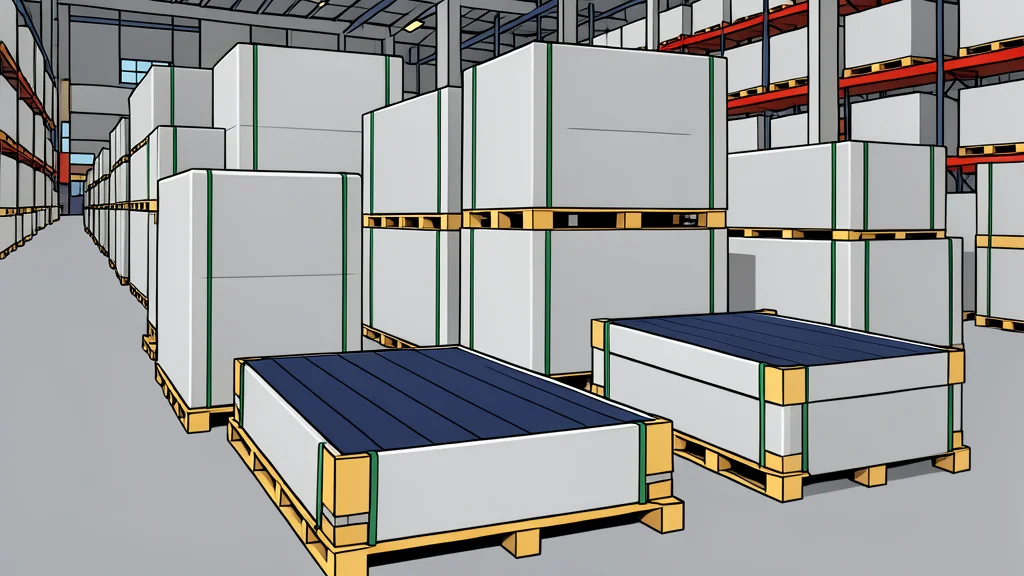
FOB China TOPCon M10 cells fell 2.29% to $0.0469/W. Export demand fades as U.S. restocking ends. Wafer costs ease, supporting margins.
FOB China TOPCon M10 cell prices dropped 2.29% week on week to $0.0469/W. This marks the third consecutive weekly decline in the market. FOB China TOPCon 210R cell prices fell 1.72% to $0.0458/W. Both formats are now 12% below their late-August peaks. The drop reflects fading export demand and lower input costs.
Overseas buyers have stopped rushing to restock ahead of U.S. Section 232 measures. These measures take effect on Dec. 4. Inventories have accumulated in overseas warehouses. Domestic demand in China remains subdued. The shift to market-based electricity pricing has reduced expected project returns. This follows the Document 136 reform.
Production output remains below prior year levels
China’s solar cell output rose 1.9% in August to 67.02 GW. This is a modest increase from July. However, production remains 12.9% below year-earlier levels. Output from January to August fell 14.6% year on year. The total reached 505.90 GW. Trade sources expect prices to stay under pressure. Inventories are accumulating while overseas buying cools.
Wafer and silver costs ease for producers
Silver prices fell as much as 9% from their late-August peak. They have since recovered to around 5% below that level. This reduces metallization costs for cell producers. FOB China M10 wafer prices stayed flat at $0.149/pc. FOB China 210R wafer prices declined 1.92% to $0.153/pc. Persistent oversupply continues to weigh on the wafer market.
Wafer inventories have started to decline. Manufacturers’ inventory days fell to less than two weeks of production. Producers are maintaining production at their own pace. No output cuts have been observed. New polysilicon purchases by wafer manufacturers remain limited. Sources cited in GN auto markets/commodities: silver prices note that cost relief is significant.
Polysilicon producers face reported capacity limits
Reports indicate a production-cut agreement involving ten major polysilicon manufacturers. The China Photovoltaic Industry Association is reportedly involved. Producers would operate at 35% of nominal capacity. This has not been officially confirmed. The arrangement could support short-term polysilicon prices. It may also ease inventory accumulation.
Second-tier wafer manufacturers are seeking to stimulate sales. They are using lower prices to move stock. Wafer prices may decline further by the end of September. Fourth-quarter output is unlikely to be lower than in the third quarter. Production could increase month over month through December. Producers may bring forward Lunar New Year holidays in January 2027.