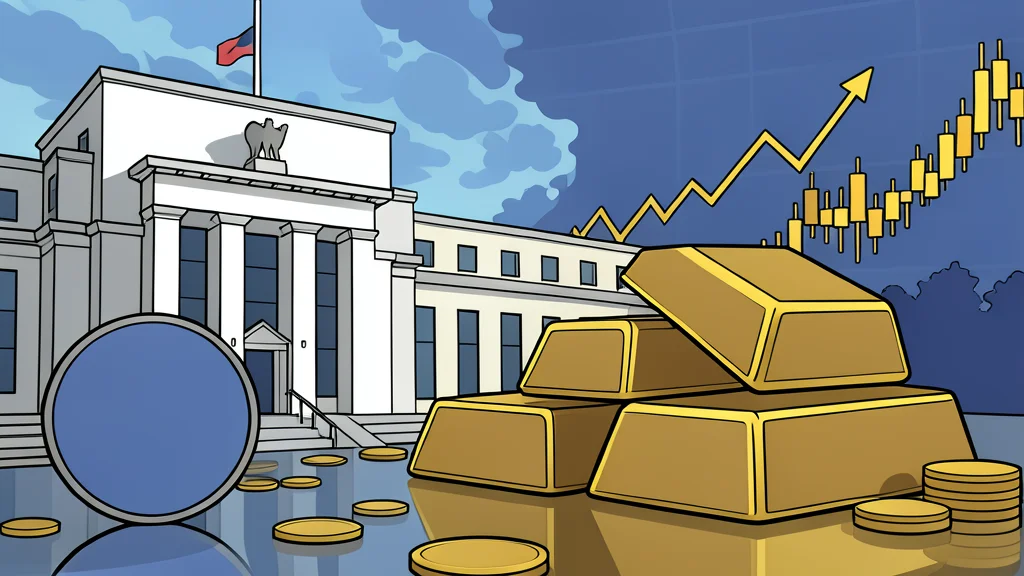
Gold Climbs 2.4% to $4,370 as Dollar Weakens

Spot gold rose 2.4% to $4,370. The move followed a drop in oil prices and a decline in the US dollar index.
Spot gold traded at $4,370 at 1416 GMT. This represented a 2.4% increase in value. US gold futures contracts rose 0.54% to reach $4,410. These gains occurred as investors sought safe assets. Geopolitical risks contributed to this demand.
Silver prices climbed over 4.5% to $66. Platinum and palladium also increased in value. The broader precious metals complex moved higher. This trend aligned with the strength seen in gold. Market participants reacted to shifting macroeconomic data.
Dollar weakness drives metal gains
The US dollar index eased from a seven-week high. Analysts cited this decline as a primary driver for gold. A weaker dollar makes gold cheaper for holders of other currencies. This dynamic typically supports buying interest in the metal.
Energy prices also influenced the market. Oil prices fell to a one-week low. Analysts noted a strong inverse correlation between gold and energy. Lower energy costs ease inflationary pressures. This environment reduces the burden on the gold market.
Central bank decisions shape outlook
The Federal Reserve raised interest rates to the 3.75%-4% range on Wednesday. Investors are assessing the impact of this decision. High inflation and interest rates may limit short-term upside. US 10-year bond yields corrected from previous overreaction. This shift provided support for gold prices.
The Bank of England kept interest rates steady. The Bank of Japan is expected to raise rates to a 31-year high on Friday. These global monetary policy moves create a complex backdrop. Borrowing costs are expected to increase in Japan. This adds to the volatility in financial markets.
Crude oil prices decline sharply
Brent crude oil futures fell 2.8% to $102.86 per barrel. This drop was recorded at 1430 GMT. West Texas Intermediate crude also declined. It traded at $100.62 per barrel, down 1.77%. The weakness in oil markets provided a tailwind for precious metals.
The decline in energy costs eased pressure on gold. This relationship is driven by inflation dynamics. Lower oil prices can reduce input costs for businesses. This may help stabilize broader price levels. The interaction between energy and metals remains a key focus for traders.