Gold Slips to $4,348 as Fed Signals Further Rate Hikes
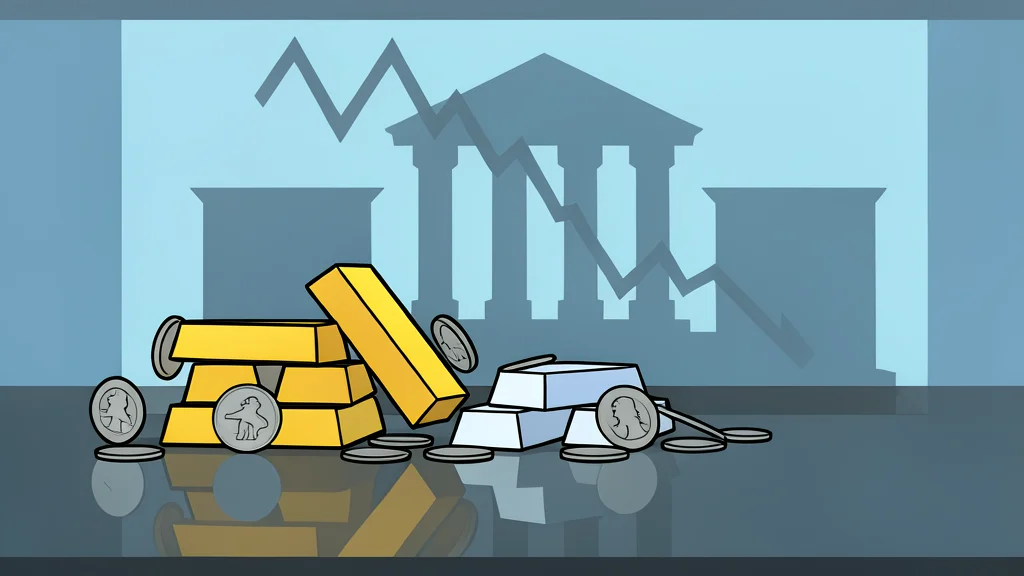
COMEX gold dropped 0.88% to $4,348.90 per ounce following the Federal Reserve's 25 basis point rate increase. Silver fell 0.90% to $64.335 as the central bank projected another hike to 4.1%.
COMEX gold fell 0.88% to $4,348.90 per ounce on Thursday morning. Silver declined 0.90% to $64.335 per ounce. The drops followed the US Federal Reserve’s decision to raise its benchmark interest rate by 25 basis points on Wednesday. This marks the first rate increase since 2023.
The Fed lifted its key rate to approximately 3.9%. Its latest projections indicate policymakers expect the benchmark rate to reach 4.1% later this year. This implies an additional 25-basis-point increase. Market attention has shifted from the current hike to this forward guidance.
Rising yields increase holding costs
Higher interest rates and bond yields weigh on precious metals. Gold and silver do not generate interest income. Higher yields increase the opportunity cost of holding these assets. Analysts noted that the initial rate hike was largely priced in. The Fed’s tone on future policy now determines price direction.
Vedika Narvekar of Anand Rathi stated gold remains vulnerable if the Fed signals further tightening. Gaurav Garg of Lemonn highlighted the impact of forward guidance on yields and the dollar. A cautious stance from the Fed could support a recovery. Continued tightening would likely pressure prices further.
Oil decline eases inflation pressure
Brent crude futures fell 1.2% to $104.59 per barrel. US West Texas Intermediate crude declined 1.1% to $101.29. Both contracts extended losses from the previous session. Saudi Arabia is offering additional crude cargoes to Asian refiners. This move follows attacks on the East-West pipeline.
Lower oil prices reduce some inflationary pressure on markets. Geopolitical risks in West Asia remain a threat to energy supplies. Elevated crude prices previously posed an inflationary risk for India. A weaker rupee also influences domestic precious-metal prices.
Central bank demand supports structure
Gold’s safe-haven role has been inconsistent during recent geopolitical turmoil. Investors and institutions may sell the metal to raise cash during uncertainty. This behavior can cause prices to decline despite rising risks. Central bank accumulation remains a key structural factor.
Chinese gold ETFs added approximately 11 tonnes in August. Their total holdings reached about 293 tonnes. Buying by these funds has reached around 45 tonnes this year. Central banks are diversifying reserves to reduce dependence on the US dollar. This long-term accumulation provides support against near-term monetary volatility. Source data indicates silver also responds to industrial demand factors alongside monetary policy. GN auto markets/commodities: silver prices confirms the dual nature of the metal's market dynamics.