SA Study Maps Copper and Gold Belts Across 300,000 Square Kilometres
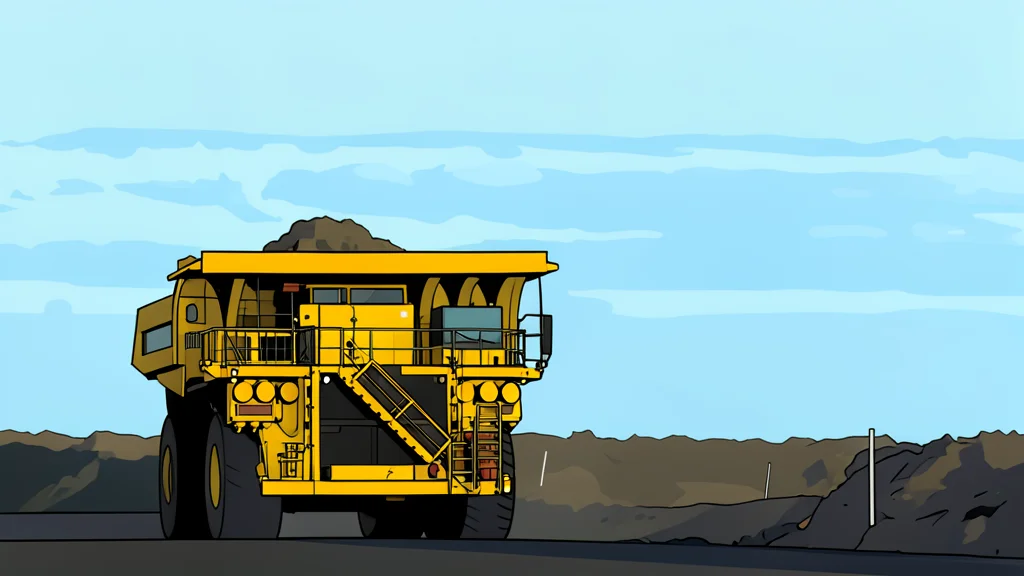
A new survey identifies distinct mineral belts in southeastern Australia, targeting copper and gold for energy transition needs.
Key points
- A study mapped 300,000 square kilometres in southeastern Australia to locate copper and gold deposits.
- The research revealed distinct metallogenic belts formed by separate tectonic events beneath surface sediments.
- Geoscience supports 76 billion dollars in annual economic value, representing 3.5 percent of national GDP.
Geoscience Australia identified copper and gold belts in 300,000 square kilometres of southeastern Australia. This finding follows a comprehensive review of millions of geochemical data points. The study targets regions critical for the national energy transition and grid upgrades.
The Delamerian Project examined crustal layers beneath younger sediments in four states. It found that the region consists of distinct metallogenic belts. These formations resulted from multiple episodes of tectonic evolution rather than a single event.
Copper demand drives exploration interest
Copper prices have reached all-time highs due to global supply constraints. Demand is surging for electrification, data centres, and artificial infrastructure. Gold prices remain strong as central banks increase holdings for safe-haven purposes.
The project does not estimate specific mineral volumes for commercial extraction. However, it provides a clearer geological map for exploration companies. This data helps investors narrow down potential deposit sites with higher confidence.
Data integration reveals hidden structures
Project leader Chris Lewis stated the study unified fragmented geological knowledge. It combined aerial surveys, ground data, and over five kilometres of drilling. This synthesis offers a coherent view of the province's resource potential.
InDaily South Australia reports the findings were released on Friday. The work is part of a 35-year government initiative. Similar deep dives are currently underway in Queensland and the Northern Territory.
Geoscience supports economic output
Applied geoscience underpins approximately 76 billion dollars in annual economic value. This sector supports industry, infrastructure, and critical decision-making processes. It accounts for 3.5 percent of Australia's gross domestic product.
Geoscience Australia chief executive Melissa Harris highlighted the value of public investment. The results demonstrate tangible benefits from long-term research into national resources. This approach aims to secure materials for a net zero future.