Silver Price Hits $64.04 Amid Yearly Decline
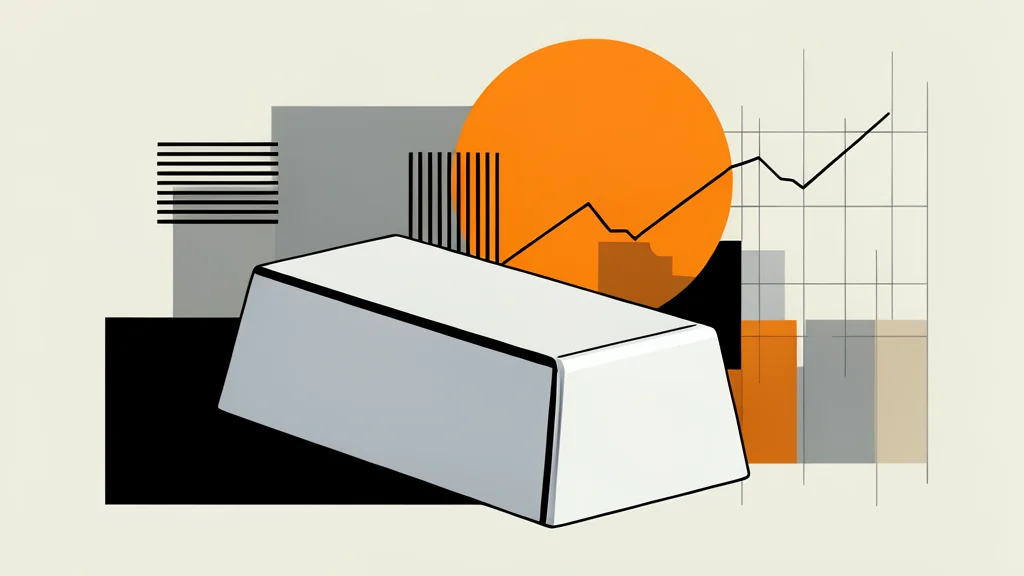
Silver traded at $64.04 per troy ounce on Friday. The metal rose 0.72% from the previous session while remaining down nearly 10% for the year.
Silver prices reached $64.04 per troy ounce on Friday. This marks a 0.72% increase from the $63.58 level recorded on Thursday. Data provided by GN auto markets/commodities confirms the upward movement in the spot market.
Despite the weekly gain, silver has lost 9.91% of its value since the start of the year. The metal remains under pressure relative to its early-year highs. Traders continue to monitor the asset against a backdrop of mixed macroeconomic signals.
Gold-Silver Ratio Remains Stable
The gold-silver ratio stood at 67.85 on Friday. This figure is nearly identical to the 67.91 level seen on Thursday. The stability suggests that relative valuations between the two precious metals have not shifted significantly.
Investors use this ratio to gauge whether silver is undervalued compared to gold. A high number typically indicates that silver is cheap relative to its peer. The current level reflects a balanced view in the market.
Industrial Demand Drives Metal Value
Silver serves as a critical component in electronics and solar energy systems. It possesses the highest electrical conductivity among all metals. This physical property ensures consistent industrial demand regardless of financial market trends.
Economic activity in the United States and China heavily influences consumption levels. These regions utilize silver extensively in their manufacturing processes. India also contributes significantly through consumer demand for jewelry.
Dollar Strength Affects Metal Pricing
Silver is priced in US dollars, creating an inverse relationship with the currency. A stronger dollar tends to suppress silver prices by making it more expensive for non-dollar holders. Conversely, a weaker dollar supports higher valuations for the metal.
Interest rates also play a pivotal role in price dynamics. As a yieldless asset, silver benefits from lower rate environments. Investors often turn to the metal as a hedge against inflation during periods of economic uncertainty.