House Committee Passes Crypto Tax Bill 38-5 After Senate Block
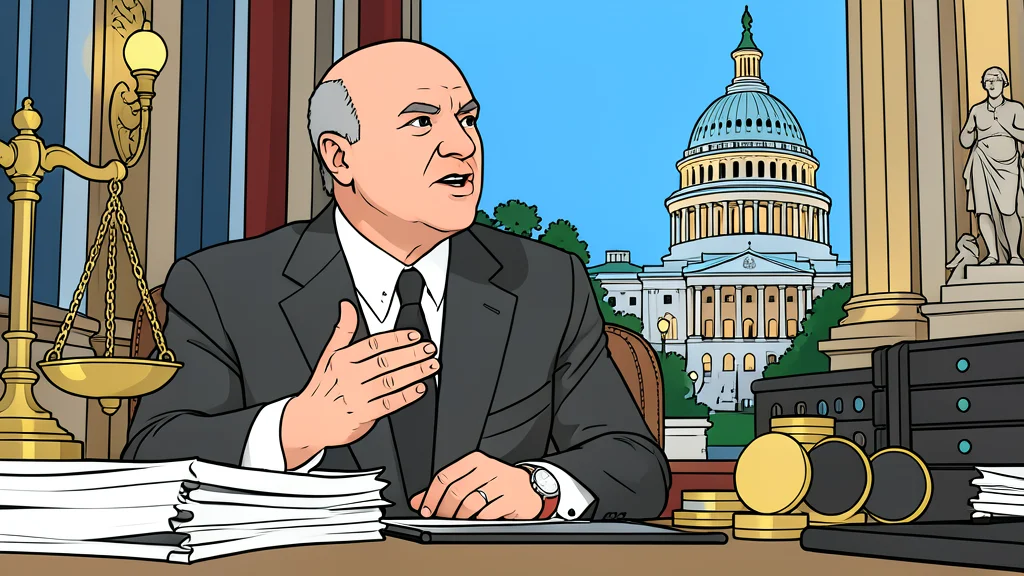
The Digital Asset Tax Certainty Act cleared the House committee 38-5 one day after the Clarity Act failed in the Senate.
Key points
- The House Ways and Means Committee passed the Digital Asset Tax Certainty Act with a 38-5 vote.
- The Clarity Act failed in the Senate with 49 votes, missing the required 60-vote threshold.
- Kevin O'Leary predicts new market-structure legislation will be introduced by the second quarter after midterms.
The House Ways and Means Committee passed the Digital Asset Tax Certainty Act by a vote of 38 to 5. This legislative move occurred exactly one day after the broader Clarity Act failed to secure sufficient support in the Senate.
Kevin O'Leary argues that this sequence is the intended path for crypto regulation. He states that taxing staking and mining income forces Congress to define the underlying regulatory framework.
Taxation Drives Regulatory Frameworks
O'Leary contends that the Clarity Act had a zero percent chance of passing. He believes that imposing taxes on specific activities like mining creates an immediate need for policy definitions.
The tax bill requires Congress to determine when income is recognized for miners. This legal necessity compiles the very rules that the blocked Clarity Act attempted to establish.
Senate Blockade Cites Political Concerns
The Clarity Act received 49 votes in the Senate, falling short of the 60 required. Democrats opposed the measure by citing President Trump's significant personal holdings in the cryptocurrency sector.
According to Memeburn, this opposition highlights the political friction surrounding current legislative efforts. The failure is viewed as a temporary delay rather than a permanent end to market structure debates.
Future Legislative Timeline Predicted
O'Leary predicts that Congress will revisit market-structure legislation in the first or second quarter. This timeline aligns with the period following the upcoming midterm elections.
The recent passage of the tax bill demonstrates that legislative momentum persists despite political obstacles. Industry observers note that the path to regulation is now driven by fiscal policy rather than direct market rules.