Bank of England Expected to Hold Rates at 3.75%
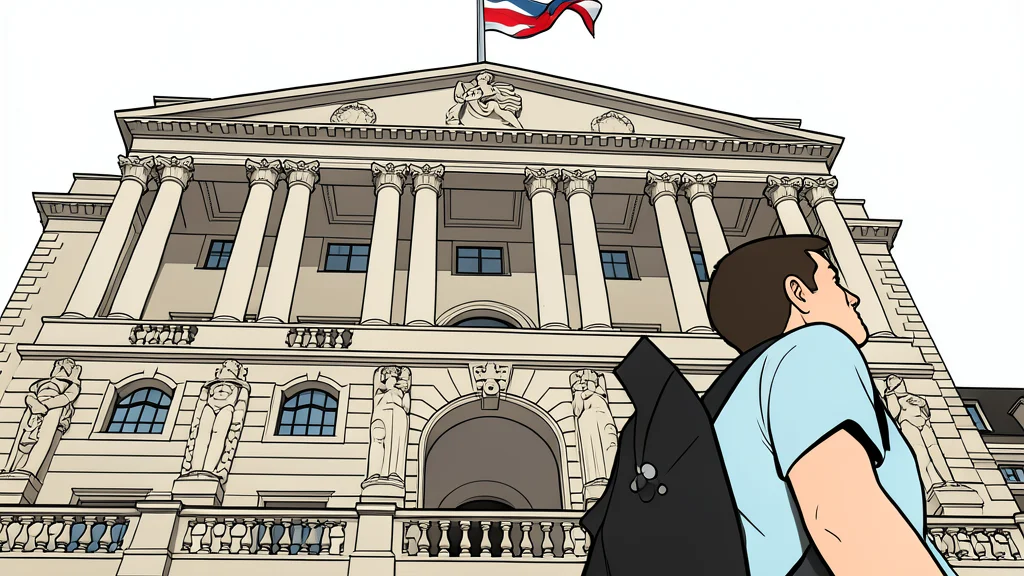
The Bank of England is set to maintain its benchmark interest rate at 3.75% on Thursday. This decision marks the sixth consecutive meeting without a change in policy.
The Bank of England is expected to keep its benchmark interest rate at 3.75% on Thursday. This would be the sixth consecutive meeting where the Monetary Policy Committee leaves the rate unchanged. The last adjustment occurred in December. Economists cite a wait-and-see approach to global geopolitical tensions as the primary driver.
Three members of the nine-person committee voted to raise rates to 4% at the previous meeting. These officials are Huw Pill, Megan Greene, and Catherine Mann. Forecasters anticipate these three will again advocate for an immediate increase. The final decision is widely viewed as settled, shifting focus to the committee's communication strategy.
Inflation Data Shows Mixed Signals
UK Consumer Prices Index inflation rose to 2.9% in July. This is up from 2.6% in June and the highest level since March. Services inflation fell from 3.6% to 3.4% during the same period. This decline suggests that wage demands and broader price increases are not yet accelerating significantly.
The UK economy grew by 0.4% in July. This was an unexpected increase following prior data. The growth was driven primarily by the services sector. Strong economic activity combined with rising inflation creates a complex environment for policymakers.
Energy Prices Threaten Stability
Ofgem’s next energy price cap takes effect in October. Typical dual-fuel household bills are projected to rise by 4%. This increase is expected to push headline inflation higher in the coming months. Analysts warn that the energy shock is becoming difficult to ignore.
Pantheon Economics notes that a 4% inflation peak would be excessive for a hold. Further energy price rises could drive inflation even higher. The committee may need to toughen its language to prepare for a potential November hike. RSM UK predicts inflation could peak at nearly 4% in 2027.
Committee Divisions Remain Sharp
The European Central Bank raised rates for the second time this year. It cited continued inflationary pressure from the conflict in Iran. This move highlights the global trend toward tighter monetary policy. The Bank of England’s decision will be closely watched for signals of similar intent.
According to GN markets/policy (en-US), the Bank must be ready to act if inflation accelerates. The divergence between the hold majority and the hawkish minority remains a key feature of the current policy landscape. Future decisions will depend heavily on how energy costs feed through to the wider economy.