Bank of England Holds Base Rate at 3.75% Amid Inflation Rise
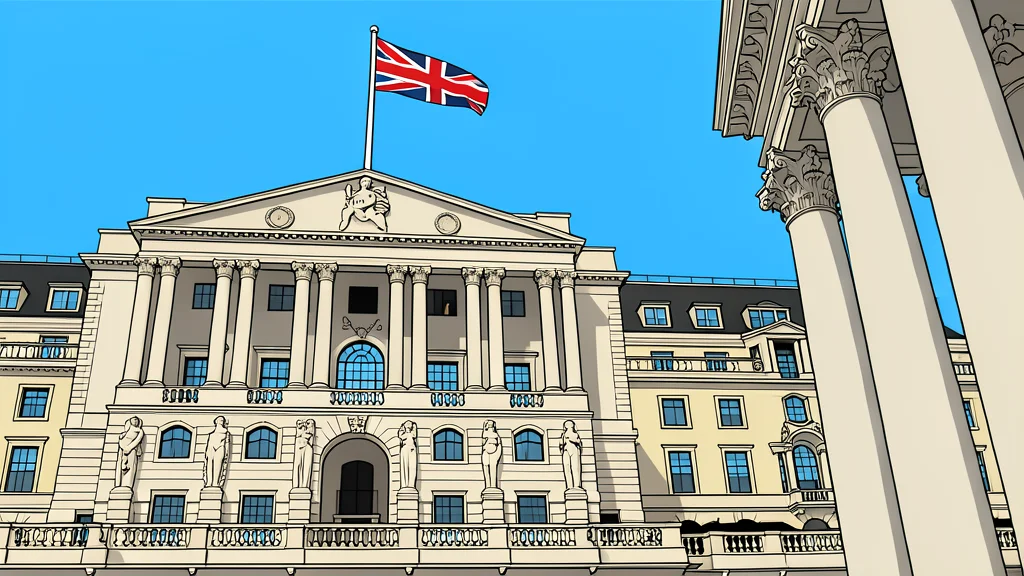
The Bank of England kept its base rate at 3.75% for the sixth consecutive meeting. Inflation rose to 3.1% in August, yet the committee voted to hold borrowing costs steady.
The Bank of England maintained its base rate at 3.75% on 17 September. This marks the sixth consecutive meeting without a change. The Monetary Policy Committee voted to hold rates despite rising inflation pressure. August consumer price inflation climbed to 3.1%. The decision follows five previous rounds of inaction since late 2025.
Energy costs and geopolitical uncertainty drove swap rates higher in recent weeks. A Mortgage Introducer poll showed divided expectations among professionals. Of 133 respondents, 57% predicted a hold. Thirty-five percent expected a rate rise. This represents a sharp shift from July, when only 11% anticipated a hike. Two percent expected a cut, and 7% were uncertain.
Officials Cite Labor Market Weakness
Duncan Kreeger of TAB supported the decision to maintain rates. He argued that higher energy prices could push inflation toward 4% this winter. However, he emphasized the need to consider the labor market. Payrolled employment fell by 26,000 in August. Kreeger stated that the Bank should not hike rates solely due to oil prices.
Kreeger noted that rising government bond yields act as a natural brake on the economy. These yields move inversely to bond prices. This dynamic puts downward pressure on inflation without direct policy intervention. He concluded that the current stance was the sensible option for the UK.
Mortgage Borrowers Face Continued Pressure
Nicholas Mendes of John Charcol warned that the hold offers little immediate relief. Fixed-rate mortgage deals ending soon will face renewed pressure. He stated that the decision does not signal lower rates ahead. The committee chose to wait for clarity on whether energy costs are broadening into wages.
Lenders had already tightened conditions before the MPC decision. Several institutions increased rates across their product ranges. These moves reflect higher wholesale funding costs. The hold does not reverse the pressure on fixed mortgage pricing. Markets had already priced in significant tightening.
Future Inflation Data Will Decide
Brokers should not assume rates will soften in the near term. The next data releases are pivotal for market direction. If inflation broadens, the case for a later increase strengthens. If underlying inflation remains contained, current price rises may prove excessive. Several lenders have already repriced twice this month.
The buy-to-let and rental markets remain fragile. Landlords face persistent borrowing costs and regulatory changes. GN markets/inflation (en-US) highlights the ongoing tension between energy costs and economic stability. The Bank of England maintains a cautious approach to ensure price stability.