BoG MPC Meets as 5% Inflation Signals Room for Rate Cut
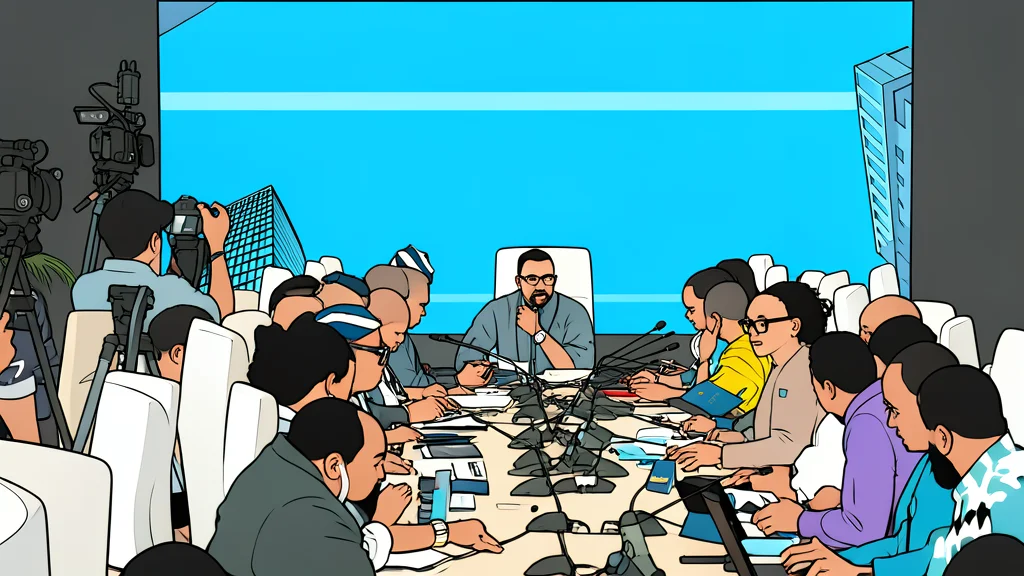
Inflation at 5% in August stays below the 8% target floor, prompting market expectations for a policy rate reduction from 14%.
Key points
- Ghana's August 2026 inflation rate of 5% remains below the Bank of Ghana's 6% to 10% target range.
- Market analysts expect the Monetary Policy Committee to cut the 14% policy rate to between 12% and 13% in September.
- The economy grew by 6.0% in Q2 2026, while the cedi held steady at GH¢11.55 per US dollar.
Ghana's consumer price inflation fell to 5% in August 2026, remaining below the Bank of Ghana's 8% target. The Monetary Policy Committee begins its meeting on September 22 to assess this data.
Policymakers have held the policy rate at 14% for two consecutive meetings following a March cut. The committee now weighs whether the recent inflation rise is temporary or a structural shift.
Inflation stays below target floor
The latest Ghana Statistical Service data shows inflation at 5% in August 2026. This figure is down from 5.3% in June and sits below the 6% lower bound of the target band.
Earlier in 2026, inflation dropped to unusually low levels near 3%. The current 5% reading represents a normalization toward the central bank's medium-term objective of 8%.
Market expects policy rate cut
Market participants project the MPC could lower the policy rate to between 12% and 13%. They argue that monetary conditions remain tight despite the improvement in price stability.
A rate cut would reduce money-market rates and lower borrowing costs for businesses. This move would strengthen the transmission of disinflation gains into the broader economy.
Economic growth supports easing stance
Ghana recorded 6.0% year-on-year economic growth in the second quarter of 2026. The cedi traded at GH¢11.55 against the US dollar on September 18, showing relative stability.
Stronger growth and stable exchange rates give the bank room to focus on price stability. CitiNewsroom.com notes that policymakers must still monitor external shocks like fuel prices and supply chains.