BoJ Hiked Rates as Global Central Banks Brace for New Inflation Wave
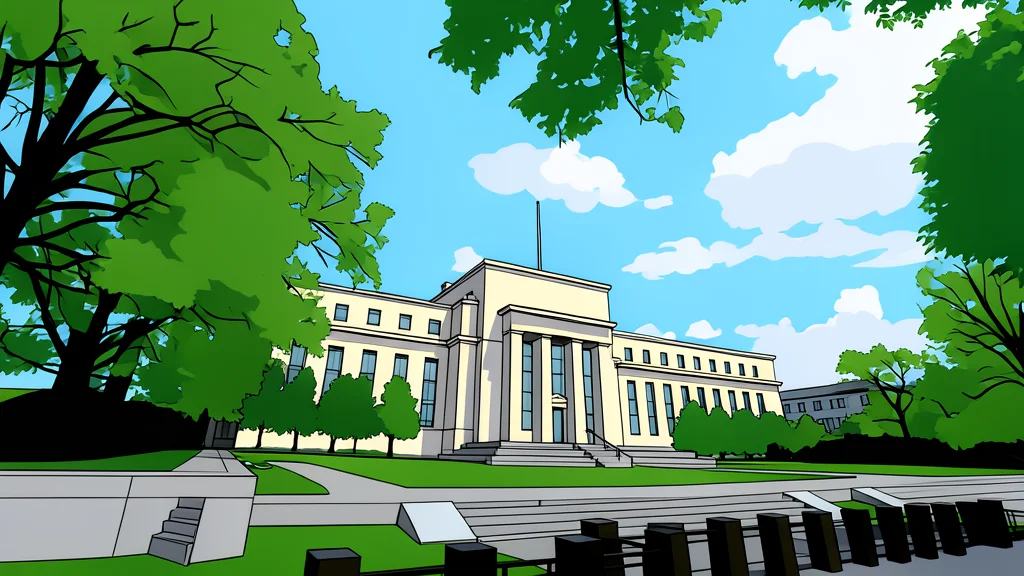
The Bank of Japan joined the Fed and ECB in raising rates. Energy costs from the Iran war are driving a new global tightening cycle.
Key points
- The Bank of Japan, Fed, and ECB have all raised rates to combat inflation.
- Energy costs from the Iran war are the primary driver of the new tightening cycle.
- Sixteen of eighteen Fed policymakers expect at least one more rate hike this year.
The Bank of Japan raised its benchmark interest rate on Friday. This move followed recent hikes by the Federal Reserve and the European Central Bank. These actions signal a coordinated shift toward tighter monetary policy across major economies.
Policymakers aim to curb inflation driven by rising energy costs from the Iran conflict. The Bank of England also flagged potential future rate increases. This marks a sharp reversal from earlier expectations of monetary easing.
Energy costs drive global policy shifts
Higher oil and gas prices are the primary driver of this tightening cycle. The collapse of a brief US-Iran agreement has increased supply risks. This has led to sustained pressure on household incomes and consumer spending.
ECB Vice President Boris Vujcic noted that high inflation threatens GDP growth. He emphasized that future decisions will be made on a meeting-by-meeting basis. This approach reflects the uncertainty surrounding the duration of the energy shock.
US Fed signals continued hawkish stance
Federal Reserve Chair Kevin Warsh defended the recent rate increase. He stated that broad financial conditions are not yet restrictive. This stance counters arguments that monetary policy is harming the US economy.
Sixteen of eighteen Fed policymakers expect at least one more hike this year. The current tightening cycle is expected to be more muted than the 2022-2023 period. Projections show rates remaining near 4.25 percent by the end of 2027.
Market confidence improves after rate hikes
Investors view the Fed’s actions as a sign of regained credibility. Andrew Lake of Mirabaud Asset Management noted the positive impact on markets. The unanimous decision to raise rates reassured bondholders about inflation control.
JPMorgan analysts warn that rates could rise above 3 percent. The peak in interest rates remains dependent on Middle East events. This uncertainty keeps long-term bond yields elevated at multidecade highs.