Boston Fed President Cites Persistent Inflation for Rate Hike Support
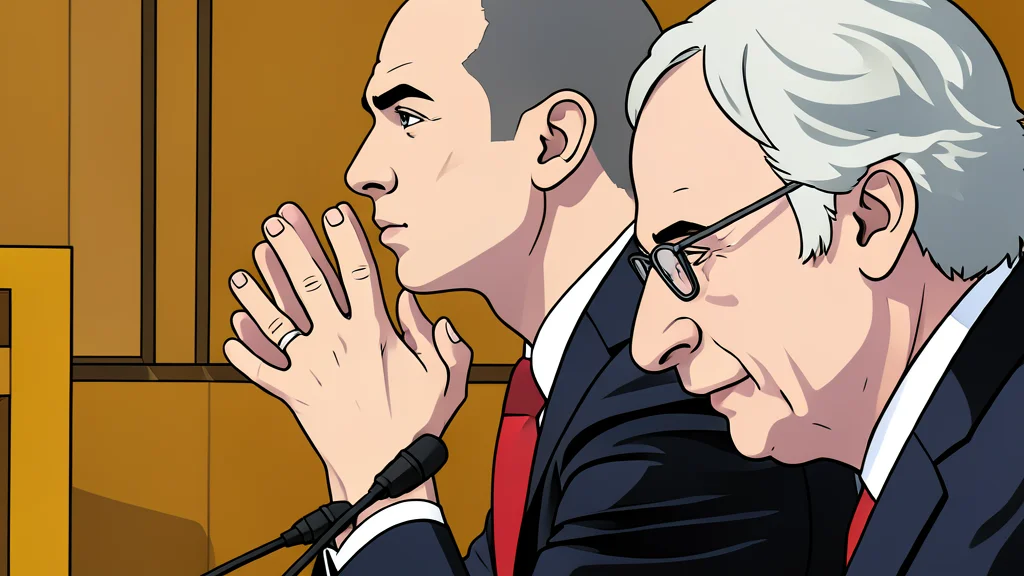
Susan Collins defended the recent quarter-point increase, citing energy costs and supply shocks. She predicts rates will remain elevated into next year.
Key points
- The Fed raised rates to 3.9% last week for the first time in three years.
- Boston Fed President Susan Collins cited energy costs and geopolitical risks as key factors.
- Chicago Fed President Goolsbee warned that fighting inflation may require higher unemployment.
The Federal Reserve held its benchmark interest rate at 3.9% last week. This was the first increase in three years for the central bank.
Susan Collins, president of the Federal Reserve Bank of Boston, supported the move. She cited stubborn inflation and renewed Middle East combat as primary drivers.
Energy Shocks Drive Inflation Persistence
Collins stated that inflation progress was slower than expected. Geopolitical developments have added pressure to the energy sector costs.
The central bank has missed its 2% target for over five years. Collins sees a higher likelihood of inflation remaining above this level.
Officials Warn of Economic Trade-Offs
Austan Goolsbee, president of the Chicago Fed, echoed these concerns. He noted that persistent supply shocks limit policy options for the Fed.
Goolsbee argued that higher rates may increase unemployment to cool demand. This trade-off is necessary to align supply with reduced consumer spending.
Businesses Prepare to Pass Costs
Companies in the Boston district report rising operational expenses. Many expect to pass these costs directly to their customers.
This dynamic could further elevate measured inflation figures in coming reports. The Boston Fed covers five New England states.
Collins and Goolsbee do not hold voting rights this year. Their insights reflect the broader consensus among regional bank presidents.