ECB Lifts Deposit Rate to 2.50% as Global Banks Tighten Policy
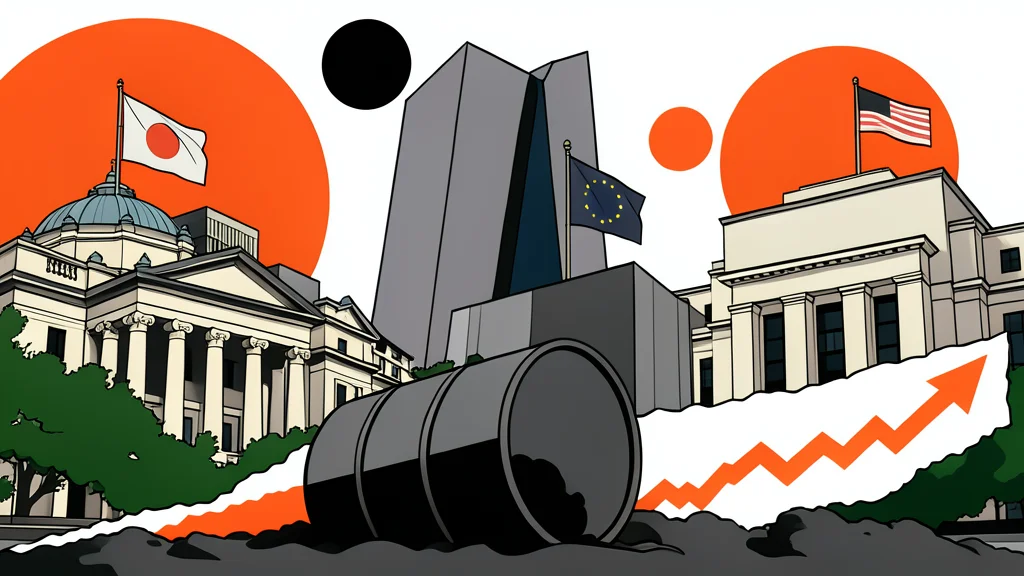
Major central banks raised rates this week, citing persistent inflation risks and energy shocks.
Key points
- The ECB raised its deposit rate to 2.50% alongside hikes from the Fed and BoJ.
- Energy price shocks from the Middle East conflict threaten to sustain high inflation through 2027.
- Central banks are acting to prevent second-round effects where wage and price expectations become entrenched.
The European Central Bank raised its deposit rate to 2.50% this week. This move aligns with recent actions by the Federal Reserve and the Bank of Japan.
Policymakers in the US, EU, and Japan acted despite different economic conditions. Their shared focus is preventing inflation from becoming entrenched in the economy.
Global Central Banks Coordinate Tightening
The Federal Reserve increased its policy rate by 25 basis points. Chair Kevin Warsh stated that financial conditions remain too loose for the current inflation outlook.
The Bank of Japan also raised rates by 25 basis points to reach 1.25%. Governor Kazuo Ueda cited rising wages and import costs as key drivers for this decision.
Energy Shocks Drive Inflation Outlook
Higher energy prices from the Middle East conflict threaten to keep inflation high. The ECB warned that these costs could push prices above the 2% target until 2027.
The Bank of England held rates at 3.75% but issued a stark warning. It now projects consumer prices will exceed 4% in early 2027 if geopolitical tensions persist.
Second-Round Effects Pose Major Risk
Central banks fear second-round effects where higher costs embed into wages and prices. This process makes inflation harder to reverse once expectations shift permanently.
FXStreet reports that officials are prioritizing the prevention of these persistent effects. This strategy explains the synchronized hawkish stance across major economies despite varying growth rates.