Egypt Inflation Slows to 14.5 Percent in August
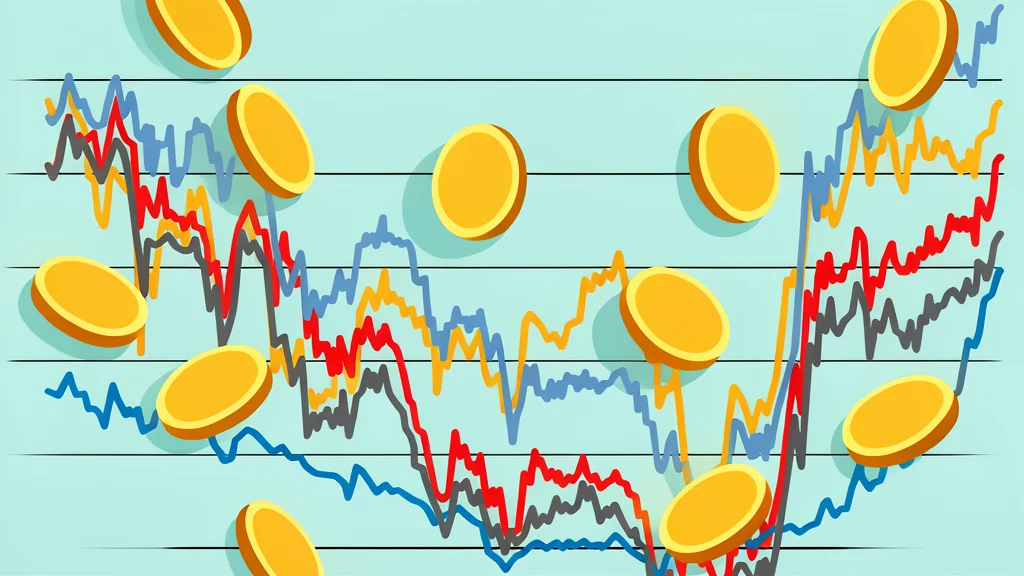
Egypt's annual urban headline inflation fell to 14.5 percent in August 2026, driven by a sharp drop in food prices. This decline offset rising costs in non-food categories, resulting in a slight monthly price increase.
Egypt’s annual urban headline inflation decreased to 14.5 percent in August 2026. This figure is down from 14.9 percent in July 2026. The Central Bank of Egypt confirmed this data in its latest report. The slowdown is primarily attributed to lower food costs. Non-food inflation, however, continued to rise slightly.
Monthly urban headline inflation stood at 0.1 percent in August. This is higher than the 0 percent recorded in July 2026. It is also lower than the 0.4 percent seen in August 2025. The drop in food prices partially offset higher non-food prices. This dynamic shaped the overall monthly inflation rate.
Food prices drive monthly decline
Monthly food inflation recorded a negative 1.1 percent. This marks the third consecutive month of decline. Volatile food prices fell by 5.5 percent during this period. Fresh vegetable prices dropped by 8.2 percent. Fresh fruit prices decreased by 1.3 percent. These figures were below typical seasonal patterns.
Core food prices declined by 0.1 percent. Poultry prices fell by 3.2 percent. Fish and seafood prices dropped by 0.3 percent. In contrast, egg prices increased by 4.1 percent. The overall food sector contributed negatively to monthly headline inflation. This contribution amounted to 0.38 percentage points.
Non-food costs rise modestly
Monthly non-food inflation increased to 0.7 percent. This category contributed 0.46 percentage points to headline inflation. Regulated items saw a 1 percent increase. Electricity prices rose by 9.2 percent following recent adjustments. Tobacco product prices also increased slightly. These factors drove the rise in regulated costs.
Services inflation rose by 0.5 percent. Higher rents and restaurant spending were the main drivers. Retail inflation increased by 0.6 percent. Household cleaning and personal care products led this rise. Most other retail items remained stable. These increases offset the decline in food prices.
Annual trends show mixed signals
Annual food inflation eased to 6.3 percent in August. This is a decrease from 8 percent in July. Volatile food inflation dropped sharply to 18.6 percent. It was 31.5 percent in the previous month. Fresh vegetable annual inflation stood at 29.1 percent. Fresh fruit annual inflation was 5.9 percent.
Annual core inflation increased to 14.9 percent. This is up from 14.7 percent in July. Red meat prices rose by 8.7 percent year-on-year. Oils and fats also contributed to the increase. The nationwide headline inflation declined to 12.7 percent. Rural headline inflation fell to 10.9 percent. The source for this data is GN markets/inflation (en-US).