Fed Chair Warsh Expected to Hike Rates Despite Political Pressure
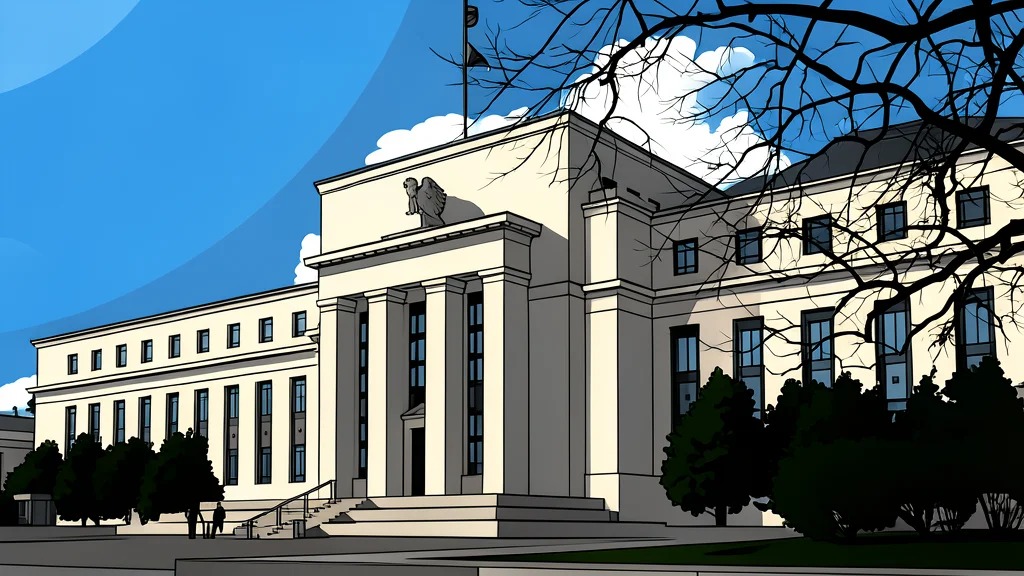
The Federal Reserve is poised to raise its benchmark rate by a quarter point on Wednesday, defying White House calls for cuts. This move aims to restore market confidence as inflation remains above the 2% target.
The Federal Reserve is expected to raise its benchmark interest rate by a quarter point on Wednesday. This would be the first increase in three years, pushing the rate to approximately 3.9%. The decision directly contradicts the preferences of President Donald Trump, who has urged the central bank to cut rates or hold steady.
Chair Kevin Warsh faces a sharp conflict between political pressure and market expectations. Economists predict Warsh will side with financial markets to maintain institutional credibility. A failure to hike risks a replay of late July, where lack of action drove long-term yields higher.
Inflation Data Forces Hand
Inflation has remained stubbornly high, reaching 3.7% in July according to the Fed's preferred measure. This is a significant jump from 2.3% in April 2025, before new tariffs and geopolitical conflicts impacted prices. Core inflation, which excludes food and energy, stands at 3.3%, up from 3.0% prior to the Iran conflict.
Warsh’s recent speeches warned that inflation remains too far above the 2% target. He indicated that higher borrowing costs may be necessary to bring prices under control. A report last week confirming high inflation rates largely sealed investor expectations for a rate hike.
Market Yields Reflect Investor Anxiety
The 10-year Treasury bond rate reached 5% for the first time in three years this week. Mortgage rates have risen in tandem with this benchmark yield. When investors expect persistent inflation, they demand higher returns on government and corporate bonds to compensate for risk.
Diane Swonk, chief economist at KPMG, notes that a hike now could lower long-term rates later. Restoring faith in the Fed's 2% target can reduce the inflation premium. If the Fed fails to act, markets will tighten conditions through higher mortgage rates and business borrowing costs.
Political Tensions Surround Decision
President Trump has harshly criticized the Fed for not cutting rates quickly enough. His administration launched a criminal investigation into former Chair Jerome Powell, though it was later dropped. Kevin Hassett, Trump's top economic adviser, stated that the President will defend Warsh's independence despite potential disappointment.
Warsh risks being seen as yielding to political pressure if he does not hike rates. Kristin Forbes, an economics professor at MIT, argues that Warsh cares about his legacy. Fed chairs who follow political pressure rather than economic data are historically viewed negatively.
According to GN auto markets and housing mortgage rate data, the rise in the 10-year Treasury yield has directly impacted consumer borrowing costs. The single hike may be an outlier, as the Fed typically engages in a series of adjustments. However, Warsh’s position is constrained by the immediate need to anchor inflation expectations.