Fed Defies Trump's Rate Cut Ultimatum Amid Inflation Risks
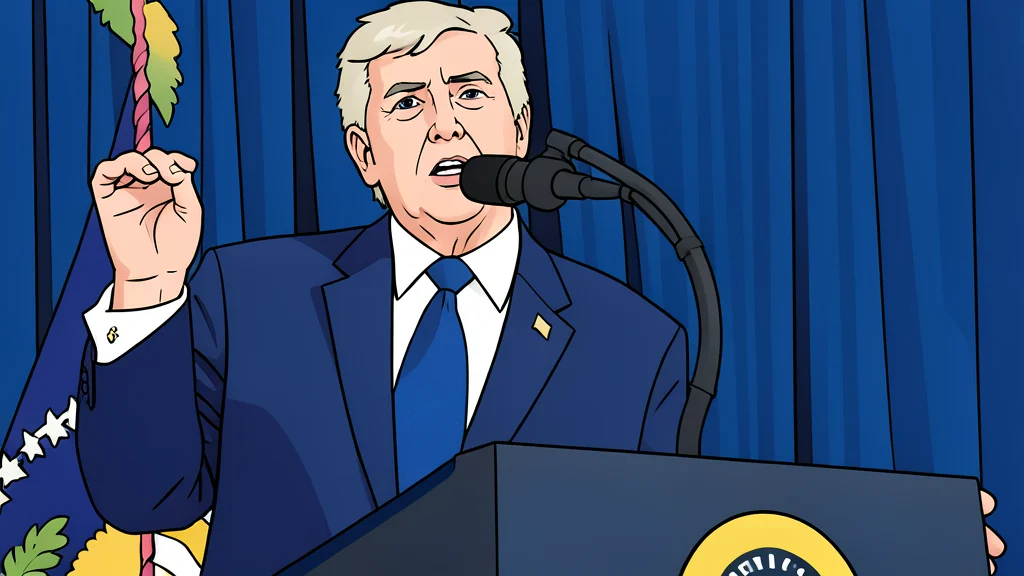
President Trump demands rates below 1 percent, but the Federal Reserve maintains a 3.50-3.75 percent target. Three structural factors prevent a rapid cut.
The Federal Reserve maintains the federal funds target rate at 3.50 percent to 3.75 percent. President Donald Trump demands a rate below 1 percent. This gap of at least 2.5 percentage points remains unresolved. The president issued an ultimatum on September 4. He threatened to halt trade with deficit partners. This pressure aims to force a rapid policy pivot.
The Fed has cut rates six times since September 2024. The current level remains high by historical standards. Trump argues that lower rates would boost AI infrastructure spending. It would also reduce the cost of servicing US debt. However, the central bank prioritizes price stability over political preferences.
Inflation Data Defies Political Pressure
Inflation remains a primary constraint on policy. The term Trumpflation describes price increases linked to his policies. Tariffs and fiscal stimulus contribute to higher costs. The Fed cannot ignore persistent inflation signals. Cutting rates too quickly risks de-anchoring inflation expectations. The dual mandate requires maximum employment and price stability. Currently, the price stability goal takes precedence.
GN auto markets/bonds: interest rates data shows sticky core inflation. Services prices remain elevated. Wage growth continues to outpace productivity. The FOMC must balance these opposing forces. A premature cut could reignite inflation. This scenario would undermine long-term economic stability. The data does not support the president's timeline.
Federal Reserve Independence Remains Intact
The Federal Reserve operates as an independent entity. It is not subject to direct presidential control. Chair Kevin Warsh succeeded Jerome Powell in mid-May. The new leadership maintains a data-dependent approach. Political pressure does not alter the decision-making process. The FOMC votes based on economic indicators. External threats do not change internal consensus.
Trump has criticized the board members as political. He accused them of having bad intentions. These comments do not impact the legal framework. The Fed’s mandate is defined by statute. Changing the chair does not change the rules. The institution retains its autonomy. Market participants trust this structural independence.
Market Reaction Stays Calm
Stock indexes have risen significantly under Trump’s second term. The Dow Jones Industrial Average is up 23 percent. The S&P 500 has gained 29 percent. The Nasdaq Composite is higher by 35 percent. Investors are not pricing in a panic response. The market expects the Fed to stay the course. Volatility remains low despite the verbal confrontation.
Bond yields have not spiked in response to the ultimatum. The 10-year Treasury yield remains stable. Credit spreads are tight. This indicates confidence in the Fed’s credibility. The market believes the central bank will act rationally. Political noise is being discounted. The focus returns to quarterly earnings and CPI data.