Fed Hiker Rate to 4% Despite Trump Pressure
The Federal Reserve raised interest rates by 0.25 percent, defying President Trump's demand for cuts. The move brings the benchmark rate to 4.00 percent.
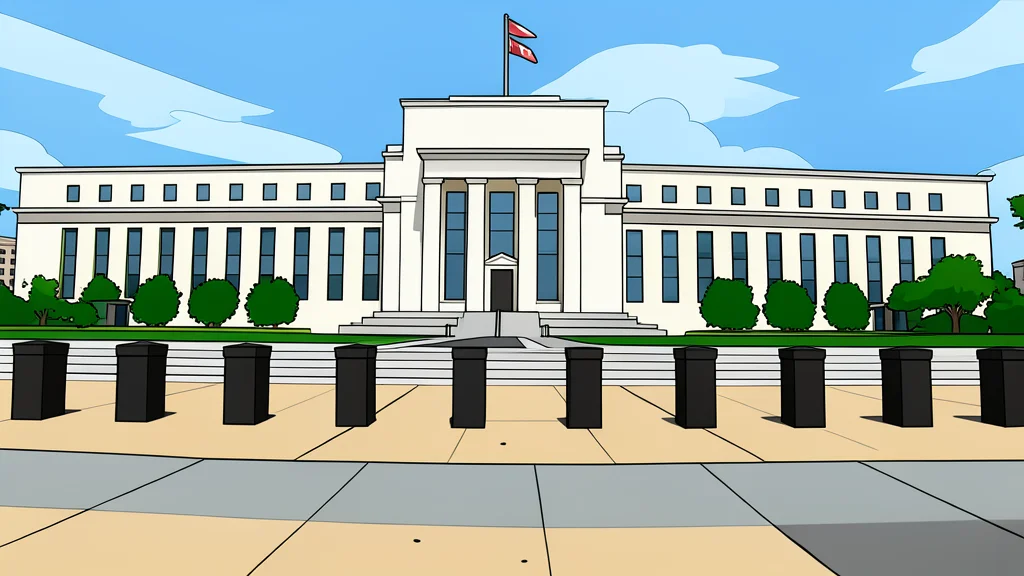
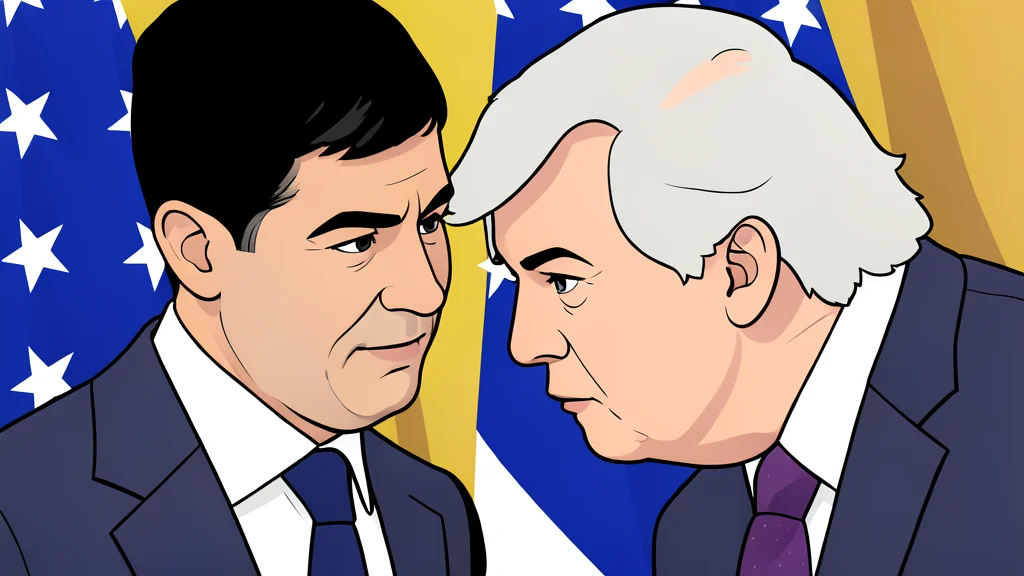
The Federal Reserve increased its benchmark interest rate by 0.25 percentage points. The decision lifts the target range to between 3.75 and 4.00 percent. This marks the first rate hike in three years. President Donald Trump publicly rejected the move. He demanded rates drop to 1.00 percent or lower. Trump posted his objections on Truth Social on Wednesday.
Kevin Warsh, the Fed chair selected by Trump, voted for the increase. Warsh stated he had no discussion with the president regarding the decision. The Federal Reserve acted unanimously in favor of the hike. This action directly contradicts the administration's economic stance. Trump has demanded lower rates since returning to office. The central bank prioritized inflation control over borrowing costs.
Political pressure fails to alter policy
Trump argued the US is the best credit in the world. He claimed the country should not carry a deficit. He suggested stopping trade with deficit partners would save 1.5 trillion dollars annually. Warsh dismissed these arguments in a press conference. He emphasized the independence of the central bank. The Fed cited inflation data as the primary driver for the hike.
Higher borrowing costs hit consumers
Raising rates increases the cost of borrowing money. Millions of consumers face higher payments on variable loans. Mortgage rates and auto loans are likely to rise. This financial burden lands ahead of the November midterm elections. Voters may feel the impact of tighter monetary policy. The Fed accepted this trade-off to stabilize prices.
Market reaction to the hike
Financial markets adjusted to the higher rate environment. Bond yields rose following the announcement. Equity prices remained volatile amid political tension. Analysts noted the Fed's commitment to data over politics. The divergence between the White House and the Fed is now explicit. This conflict may define future economic policy debates.