Fed Hikes Rates as 16 of 18 Officials Expect More Increases
The Federal Reserve raised interest rates for the first time since July 2023. S&P 500 fell immediately before recovering. Inflation remains above the 2% target. Oil prices and AI demand drive costs. Consumer spending stays resilient. Market history suggests caution.
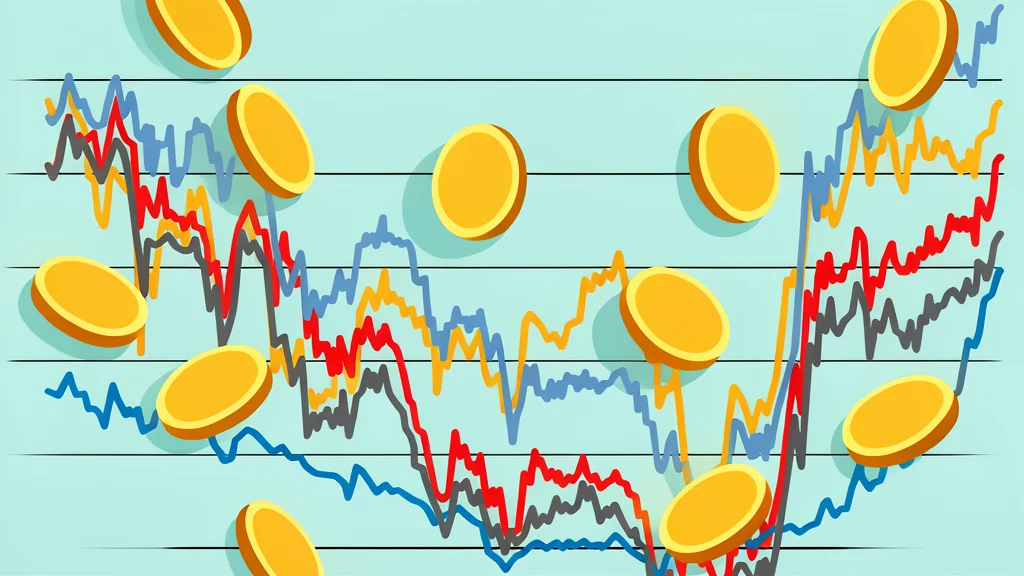
The Federal Reserve raised interest rates for the first time since July 2023 on Wednesday. The S&P 500 dropped immediately after the announcement. The index recovered by the end of the trading day. The broader market has declined steadily since its mid-August peak.
Rising oil prices increase production costs for businesses. These higher costs translate into higher consumer prices. The artificial intelligence buildout adds pressure to the system. Hyperscalers drive insatiable demand for scarce memory products. Apple has announced price increases for its devices. Shoppers face higher costs for goods and services. Lower consumer spending could lead to sagging sales for many companies. Markets are pricing in this risk as inflation persists.
Resilient Consumer Supports Economic Stability
Inflation began climbing during early pandemic stimulus payments. Rate hikes previously brought inflation down. The annual rate has not yet fallen to the 2% target. The Fed declined to raise rates in July. The situation in Iran prevented resolution. Inflation is creeping up again. The U.S. consumer remains strong despite higher prices.
Federal Reserve Chairman Kevin Warsh cited strengthened labor markets. He stated the economy can handle the rate hike. This confidence suggests no immediate recession risk. The latest dot plot shows 16 of 18 participants expect another increase this year. Four participants expect two more increases. This signals a prolonged period of higher rates.
Historical Data Shows Market Risk
Markets have historically performed poorly during high inflation. Rising interest rates make borrowing more expensive. This hinders economic growth for companies and individuals. High rates coincided with market crashes in 2000, 2008, and 2020. The current bull market stands out as an exception so far. Investors had hoped for lower rates before another downturn.
The current environment poses a warning for investors. Inflation outlooks and interest rates signal potential volatility. According to GN markets/inflation (en-US), the combination of rising costs and tightening policy creates headwinds. The market is currently pricing in these risks. Investors should monitor consumer spending trends closely. The path forward depends on the durability of economic strength.