Fed Hikes Rates by 25 Basis Points to 4.00%
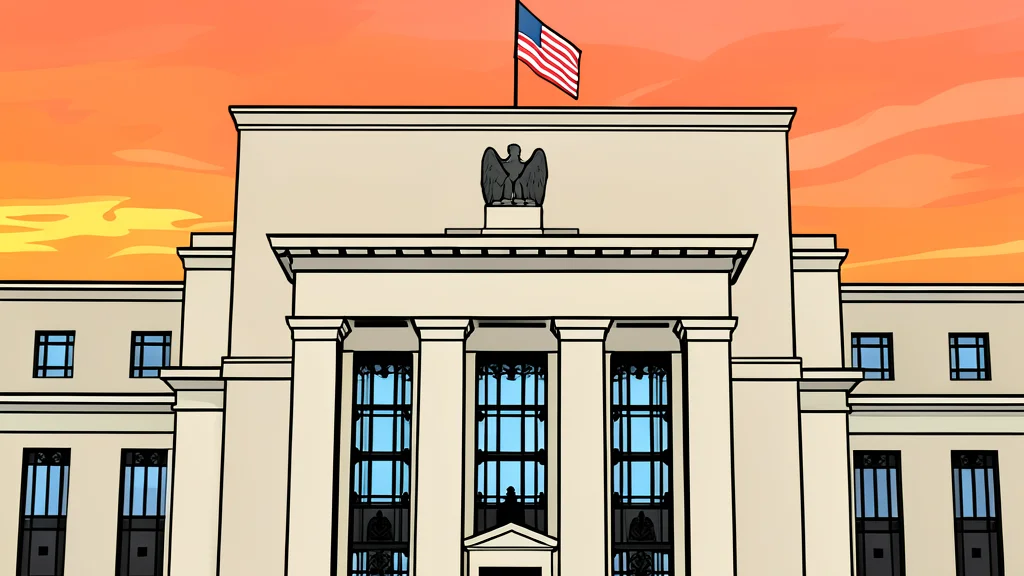
The Federal Reserve raised the benchmark rate by 25 basis points, ending a five-month pause. The move targets persistent inflation driven by energy costs.
The Federal Reserve increased the federal funds rate by 25 basis points on Wednesday. The new target range stands at 3.75% and 4.00%. This is the first hike since July 2023. The committee ended a sequence of five consecutive rate holds. All 12 members of the FOMC voted in favor of the increase. The decision was unanimous.
Energy inflation remains the primary driver for this policy shift. Oil prices have surged recently. This cost pressure extends to food and travel sectors. Mortgage rates and housing affordability face downward pressure. The central bank prioritized price stability over labor market support. Inflation has run above the 2% target for several years.
Inflation drives policy shift
Market participants had expected this move. August CPI data showed inflation remains elevated. The Fed signaled that inflation is the dominant mandate. Labor market data remains solid. The committee aims to anchor inflation expectations. Credibility depends on data-driven decisions. Political pressure did not alter the outcome.
Analysts noted the complexity of the rate transmission. Mortgage rates often decouple from the federal funds rate. They are more closely tied to long-term Treasury yields. The market had already priced in this tightening. Borrowers may not see an immediate rate increase. The relationship between policy rates and loan costs is indirect.
Mortgage rates may stay stable
Historical data shows mixed transmission effects. In 2025, mortgage rates rose despite rate cuts. The current hike does not guarantee higher borrowing costs. Treasury yields have absorbed much of the shock. Housing affordability remains a key concern. Global price stability is the ultimate goal. The Fed will monitor economic indicators closely.
Market reaction remains measured
Treasury yields showed limited movement following the announcement. The consensus vote reduced uncertainty for investors. The White House had pushed for lower rates. The Fed maintained its independent stance. Focus now shifts to future inflation data. The policy path remains dependent on economic trends. No further hikes are scheduled for the next meeting.