Fed Hikes Rates to 4.00% While Japan Tightens Policy

The Federal Reserve raised its benchmark rate to a target range of 3.75% to 4.00%. This marks the first increase in over three years.
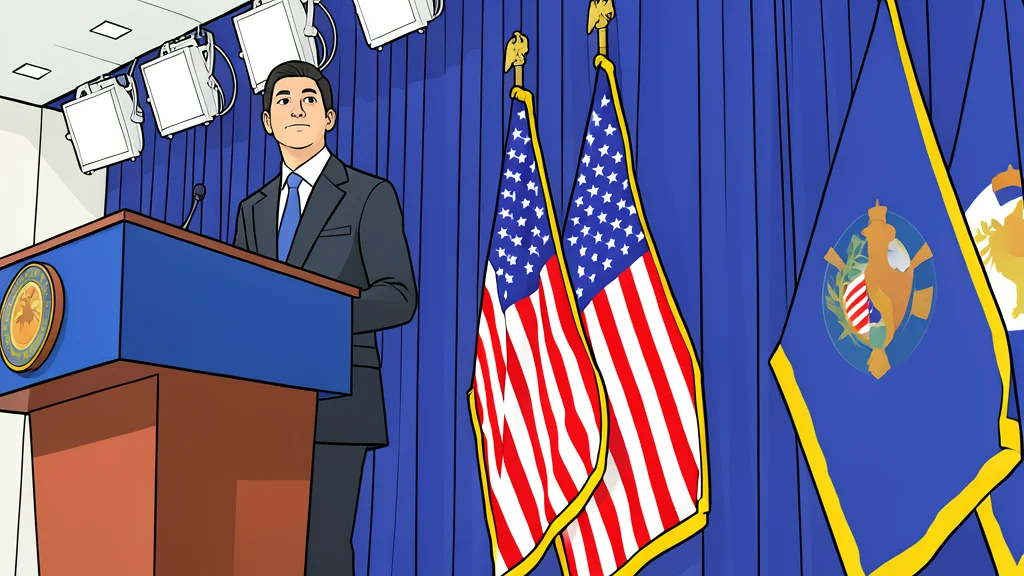
The Federal Reserve increased the federal funds rate to a target range of 3.75% to 4.00%. This is the first rate hike in more than three years. Chairman Kevin Warsh cited persistent inflation in goods and services. Many categories show annualized price gains above 3%. This data covers both six-month and twelve-month periods. The Federal Open Market Committee voted unanimously for this move. Warsh has held the chair position for less than four months. The decision signals growing support for further tightening. President Donald Trump reacted quickly on social media. He demanded that rates be cut to 1% or lower.
The Bank of Japan also raised its policy rate. The increase was a quarter point to reach 1.25%. This follows a hike just three months prior. The interval is the shortest since 1990. Governor Kazuo Ueda stated that inflation is near the 2% target. He emphasized the need to prevent prices from overshooting. Yen traders expressed disappointment with the lack of clear forward guidance. The central bank indicated it remains open to further action. This move reflects a shift toward a more restrictive stance.
Global central banks adjust policy
The Bank of England held its rates steady. Six of nine policymakers voted to maintain the current level. Governor Andrew Bailey noted that war in the Middle East adds risk. He warned that prolonged volatility could impact inflation. The committee suggested that raising Bank Rate is likely if pressures intensify. The split in the committee mirrors the decision from July. Policy makers are monitoring the economic fallout from geopolitical tensions. They remain cautious about the direction of future monetary policy.
Brazil’s central bank cut its interest rate by a quarter point. Inflation has slowed and economic activity is fading. This move comes weeks before a tight presidential election. Uncertainty surrounds how much more policymakers can ease. Argentina’s economy contracted in the second quarter. This is the first decline in two years. Exports were the only category driving growth. Government expenditure and consumer spending both fell. Capital formation also declined on a quarterly basis. This marks a setback for the current administration.
Asian credit and market trends
China’s credit expansion fell short of expectations in August. New yuan loans amounted to just 60 billion yuan. This is less than a sixth of the median forecast. The forecast was 404 billion yuan. Subdued borrowing by households and businesses drove the weakness. Government bond sales provided some support but were insufficient. The gap between actual lending and forecasts highlights weak demand. Financial institutions extended fewer loans than anticipated. This data point reflects broader economic stagnation in the region.
Labor demographics and energy costs
Britain’s workforce demographics have shifted significantly. There are now two young workers for every employed person over 65. In the early 2000s, this ratio was ten to one. The number of Britons aged 65 and over in work topped 1.7 million. Older employees are staying in the job market longer. First jobs are harder for younger workers to secure. This structural change impacts labor supply and productivity. The Office for National Statistics reported these latest figures.
Diesel and home heating oil costs have surged. These prices have risen faster than gasoline in recent months. The increase hits US states critical for midterm elections. Mail-in ballots arrive during this period of high fuel costs. The economic pain is concentrated in specific regions. This factor may influence voter sentiment in November. Energy prices remain a key variable for political outcomes. The divergence between fuel types complicates consumer budgeting.