Fed Holds Rates Steady as Inflation Stays Above Target

The Federal Reserve maintained its benchmark interest rate, citing persistent inflation above the 2% target. Oil supply disruptions from the conflict in the Strait of Hormuz continue to drive prices higher.
The Federal Reserve held its benchmark interest rate steady on Wednesday. This decision follows a two-day policy meeting that concluded with no change to the current rate. The central bank aims to keep inflation under control while monitoring economic data.
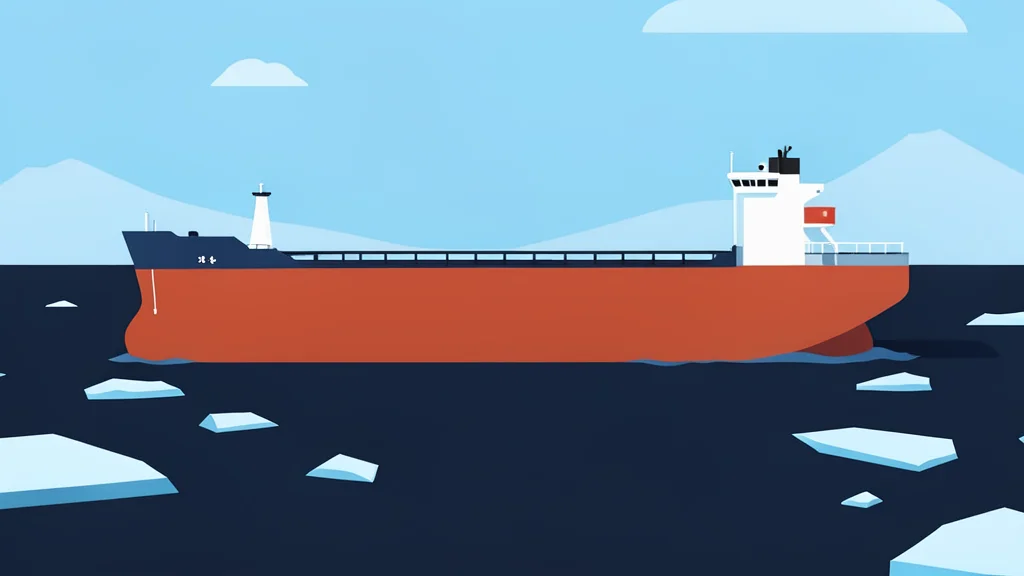
Inflation remains above 3% due to elevated oil prices. The U.S. conflict with Iran has effectively blocked the Strait of Hormuz. This chokepoint previously handled one-fifth of global oil shipments before the conflict began in February. Higher energy costs have raised gasoline prices and shipping expenses.
Retail Sales Data Shows Spending Trends
U.S. retail sales for August were released on Wednesday. The data provides insight into consumer spending behavior. Households are facing higher costs for fuel and goods. Wage growth has slowed, creating pressure on disposable income.
Markets expect at least one rate hike before the year ends. Higher rates would increase borrowing costs and slow economic growth. This approach is intended to cool inflation. The Fed is currently prioritizing price stability over rapid growth.
Political Pressure Influences Policy Expectations
President Donald Trump has urged the central bank to lower interest rates. He argues that cheaper credit would boost the economy. However, lower rates could worsen inflation if demand remains strong. The Fed maintains its independence in setting monetary policy.
According to GN markets/policy (en-US), the situation reflects a balance between conflicting goals. The central bank must navigate geopolitical risks and domestic economic pressures. The outcome of future meetings will depend on incoming data. Investors remain cautious as they await further signals.
Geopolitical Factors Drive Energy Costs
The closure of the Strait of Hormuz has disrupted global oil supply. This event has directly increased the price of crude oil. Domestic gasoline prices have risen in response. These higher costs contribute to overall inflation in the U.S. economy.
Shipping costs have also increased due to higher fuel prices. Businesses pass these expenses on to consumers. The Fed monitors these trends to assess inflationary pressure. The central bank expects these factors to remain relevant in the near term.