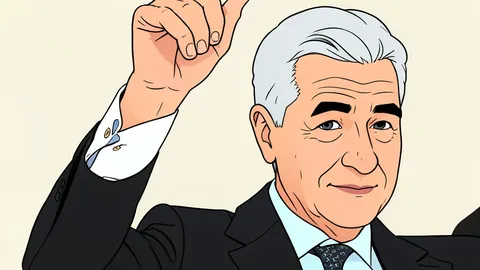
Fed Official Cites Inflation Persistence for Rate Hike Support
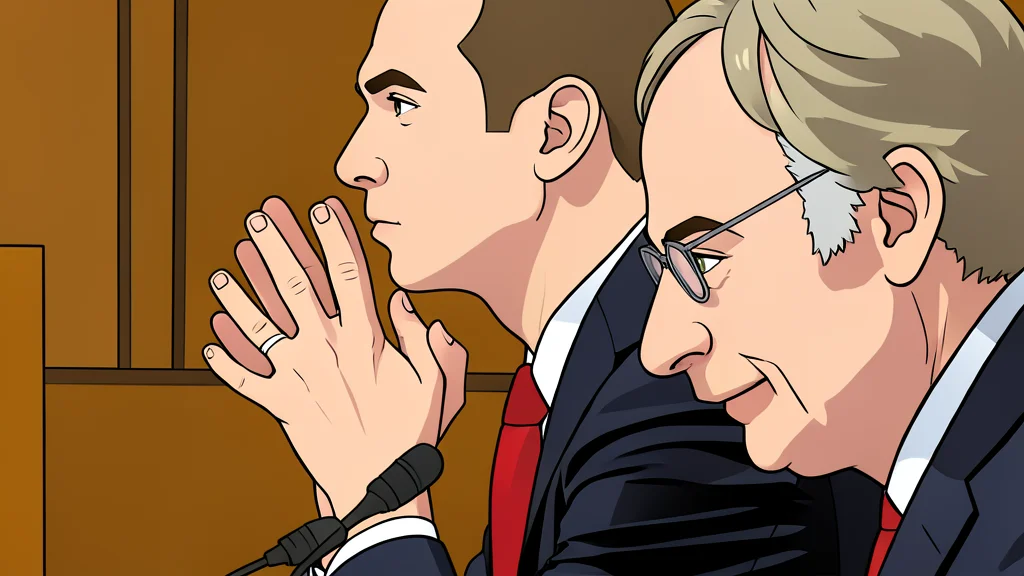
Susan Collins explained that stuck inflation and geopolitical risks drove her support for the recent quarter-point rate increase.
Key points
- The Fed raised its benchmark interest rate to 3.9 percent, a move supported by Boston Fed President Susan Collins.
- Collins cited persistent inflation and geopolitical energy risks as key reasons for backing the rate increase.
- Chicago Fed President Goolsbee warned that combating supply shocks may require accepting higher unemployment in the short term.
The Federal Reserve raised its benchmark rate by a quarter point to 3.9 percent. Susan Collins, president of the Boston Fed, cited stubborn inflation as the primary driver for this move.
Collins stated that inflation has not progressed toward the two percent target as hoped. She also noted that renewed combat in the Middle East created additional energy price pressures.
Geopolitical risks complicate the inflation outlook
The official highlighted that supply shocks from the Iran conflict remain persistent. These factors make it more likely that inflation stays above the central bank’s target.
Collins explained that strong hiring data suggests the economy can withstand higher borrowing costs. This resilience supports the decision to maintain a restrictive monetary policy stance.
Businesses prepare to pass higher costs forward
Companies in the New England region report ongoing concerns about elevated operational costs. Many expect to transfer these expenses to consumers, which could further push up measured inflation rates.
This dynamic creates a feedback loop where rising input costs sustain broader price increases. The Fed must account for this behavior when calibrating future interest rate decisions.
Trade-off between low inflation and employment
Austan Goolsbee, president of the Chicago Fed, warned that fighting persistent supply shocks may cause economic pain. He argued that raising rates is necessary to narrow the gap between supply and demand.
Goolsbee stated that forcing inflation back to target may require pushing employment below its maximum level. This view contrasts with other Fed officials who believe labor market harm can be avoided.