Fed Official Cites Persistent Inflation for Rate Hike Support
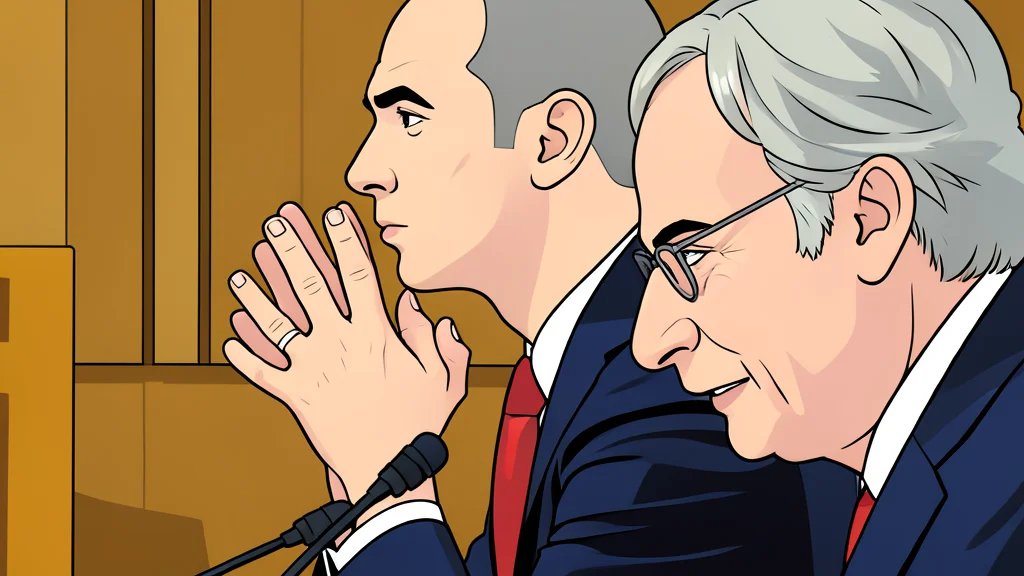
Boston Fed President Susan Collins supports the recent quarter-point rate increase due to stubborn price pressures and geopolitical risks.
Key points
- Boston Fed President Susan Collins supported the recent quarter-point rate hike due to persistent inflation above the two percent target.
- Chicago Fed President Austan Goolsbee stated that combating supply shocks may require higher unemployment levels in the short term.
- Fed officials cited geopolitical tensions and rising energy costs as key factors sustaining pressure on overall price levels.
Federal Reserve official Susan Collins supported the recent quarter-point rate hike because inflation remains stubbornly high. She cited geopolitical tensions in the Middle East as a key factor sustaining pressure on energy costs. Collins expects the central bank will keep borrowing costs unchanged throughout next year.
The benchmark interest rate now stands at approximately 3.9 percent following last week’s decision. Collins stated she did not see the desired progress in lowering prices during the previous period. She noted that renewed combat in August increased the likelihood of inflation staying above the two percent target.
Supply shocks drive policy decisions
Chicago Fed President Austan Goolsbee echoed concerns about persistent supply shocks affecting the economy. He identified higher oil prices from the Iran conflict and tariffs as primary drivers of inflation. Goolsbee argued that the Fed must act despite these external pressures to stabilize prices.
Goolsbee explained that raising rates helps align demand with reduced supply levels. He stated that this process may require pushing employment below target levels temporarily. This approach contrasts with historical practices where the Fed often waited for shocks to fade naturally.
Businesses face rising cost pressures
Collins reported that companies in her district report significant concerns about high operating costs. Many businesses expect to pass these rising expenses directly on to their customers. This behavior could further elevate measured inflation rates across the broader economy.
Solid job gains in the region suggest the economy can withstand higher borrowing costs. Collins noted that improved hiring data supported her decision to back the rate increase. The Boston Fed district includes states such as Massachusetts and Connecticut.
Officials disagree on labor market impact
Goolsbee’s comments contradict recent remarks by Fed Chairman Kevin Warsh regarding labor market effects. Warsh stated last week that the Fed does not need to harm hiring to achieve its goals. Goolsbee insisted that short-term pain in employment is a necessary trade-off for price stability.
Neither Collins nor Goolsbee holds a voting seat on the Fed’s rate decisions this year. Goolsbee will gain voting rights next year, while Collins will qualify in 2028. Both officials participated in the recent meeting discussions despite their lack of formal votes.