Fed Official Cites Stubborn Inflation for Rate Hike Support
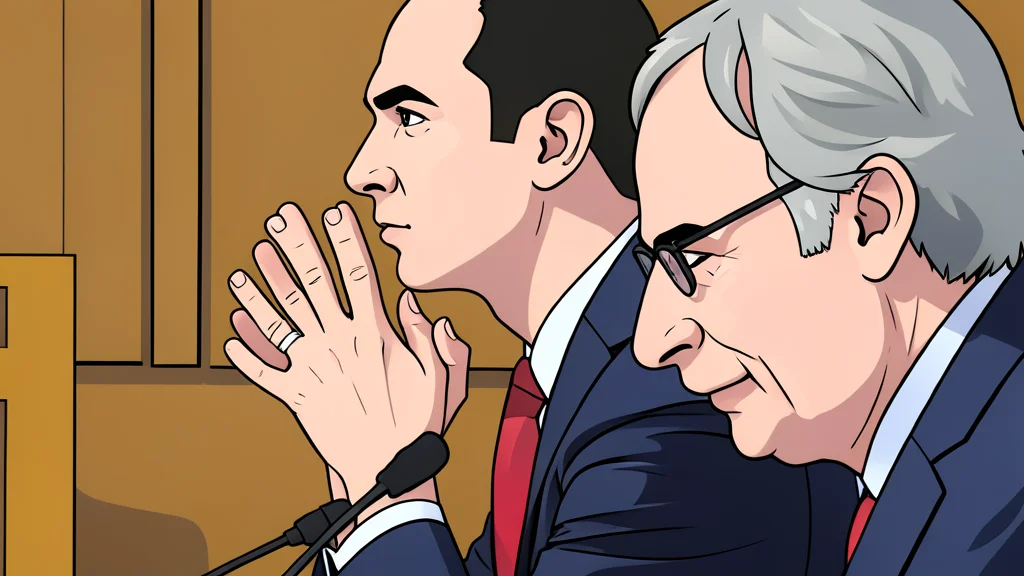
Boston Fed President Susan Collins says persistent price pressures and geopolitical risks justified the latest interest rate increase.
Key points
- Boston Fed President Susan Collins supported the latest rate hike due to persistent inflation and geopolitical risks.
- Chicago Fed President Austan Goolsbee warned that fighting supply shocks may require accepting higher unemployment.
- The Fed raised its benchmark interest rate to 3.9% last Wednesday, marking the first increase in three years.
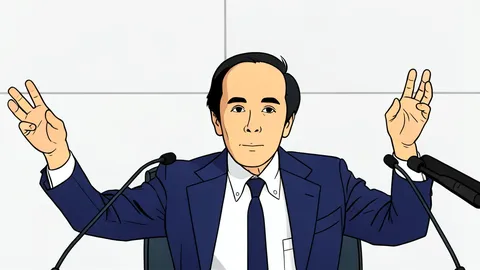
Susan Collins, president of the Boston Federal Reserve Bank, stated that persistent inflation was the primary driver behind her support for the recent interest rate hike. The central bank raised its benchmark rate by a quarter-point to approximately 3.9% last Wednesday, a move Collins described as necessary given the lack of progress toward the 2% target.
The official noted that geopolitical developments, specifically the renewal of combat in the Middle East, have introduced new energy cost pressures. These factors increased the likelihood that inflation would remain above the Fed's target level for an extended period, reinforcing the need for tighter monetary policy.
Businesses face pressure to raise prices
Collins reported that companies in the New England region are increasingly concerned about elevated operating costs. Many of these businesses expect they will need to pass these higher expenses on to consumers, which could further fuel measured inflation rates across the broader economy.
Strong job growth data also influenced Collins's decision, as a robust labor market indicates the economy can withstand higher borrowing costs. This resilience supports the argument that rate increases are sustainable without immediately triggering a severe economic downturn.
Chicago Fed official warns of economic pain
Austan Goolsbee, president of the Chicago Fed, argued that the central bank may need to accept higher unemployment to combat stubborn inflation. He stated that a series of persistent supply shocks, including oil price hikes from the Iran war, limits the Fed's ability to simply wait for prices to fall naturally.
Goolsbee emphasized that raising rates is necessary to reduce demand to match the reduced supply levels. He described this process as painful, noting that forcing inflation back to target in the short run requires pushing employment below its ideal level.
Contrasting views on labor market impact
These remarks contrast with Fed Chairman Kevin Warsh, who stated last week that the Fed does not need to harm the labor market to achieve its goals. Warsh expressed confidence that the central bank can manage inflation without causing significant damage to employment levels.
According to WHEC.com, the divergence in views highlights the internal debate over the trade-offs between controlling inflation and maintaining maximum employment. The Fed faces a difficult decision as it navigates ongoing supply shocks and persistent price pressures.