Fed Official Warns Inflation Fight Will Raise Unemployment
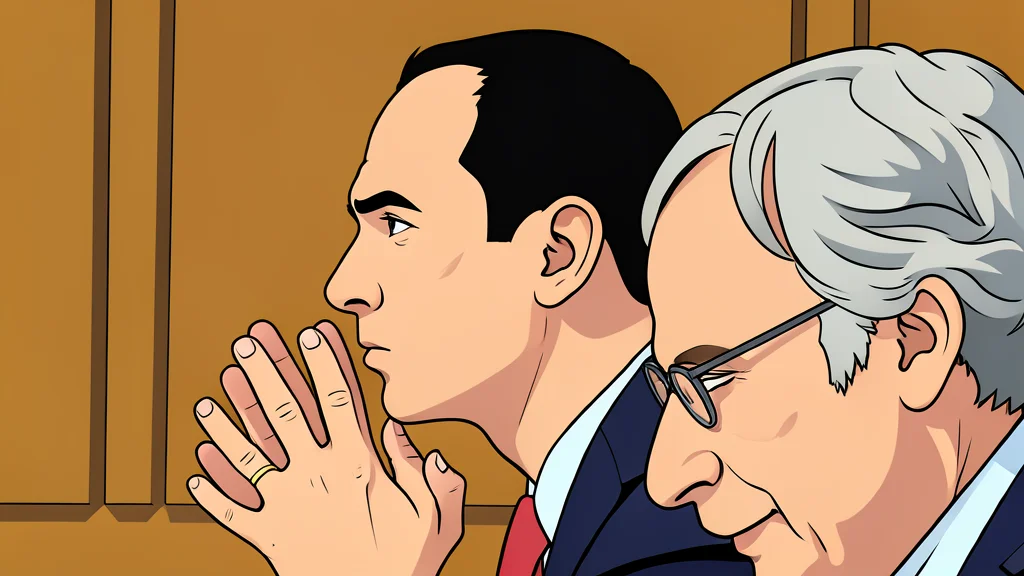
Chicago Fed president Austan Goolsbee stated that persistent supply shocks force a trade-off between price stability and jobs.
Key points
- Chicago Fed president Austan Goolsbee said fighting inflation will require higher unemployment.
- Persistent supply shocks from oil and tariffs force the Fed to raise rates despite labor risks.
- Fed Chairman Kevin Warsh previously stated that achieving inflation targets does not require harming the labor market.
Austan Goolsbee, president of the Federal Reserve Bank of Chicago, stated that containing inflation will force unemployment above its target level. The official argued that persistent supply shocks leave the central bank with no alternative but to restrict demand through higher interest rates.
Goolsbee delivered these remarks in London, noting that rising oil prices from the Iran war and new tariffs have created durable cost pressures. He explained that the Fed must now lower consumer and business spending to match reduced supply, a process that inherently reduces hiring.
Supply shocks drive policy divergence
The Chicago Fed chief identified external factors as the primary driver of current inflation trends. He emphasized that traditional policy approaches of waiting for shocks to fade are no longer viable given the ongoing nature of these disruptions.
Goolsbee described the situation as a difficult trade-off between the Fed's dual mandates of low inflation and maximum employment. He stated that forcing prices back to the 2% target in the short run requires pushing labor market conditions below optimal levels.
Contrasting views within the central bank
These comments stand in sharp contrast to statements made by Fed Chairman Kevin Warsh last week. Warsh asserted that the central bank does not need to harm labor markets to achieve its inflation objectives, suggesting a different strategic approach.
The Fed recently lifted its key interest rate to approximately 3.9%, marking the first increase in three years. This move reflects the central bank's effort to cool borrowing and spending in response to elevated price levels reported by WTVG.
Historical context for rate hikes
Historically, aggressive interest rate increases have often slowed economic growth and contributed to recessions. However, the sharp hikes in 2022 and 2023 reduced inflation without causing a significant rise in unemployment or a severe economic downturn.
Goolsbee’s assessment implies that future policy actions may carry higher risks to employment than previous cycles. The divergence in official views highlights the uncertainty surrounding the labor market impact of current monetary policy.