Fed Poised for 25 Basis Point Hike to 3.75%

The Federal Reserve is expected to raise its benchmark rate by 0.25 percentage points on Wednesday. This move aims to curb inflation currently at 3.4%.
The Federal Reserve is expected to raise its benchmark interest rate by 25 basis points on Wednesday. The new target range will be 3.75% to 4.00%. This action targets inflation, which stands at 3.4%. The central bank seeks to return prices to its 2.0% goal. Markets price the probability of this hike at 92%.
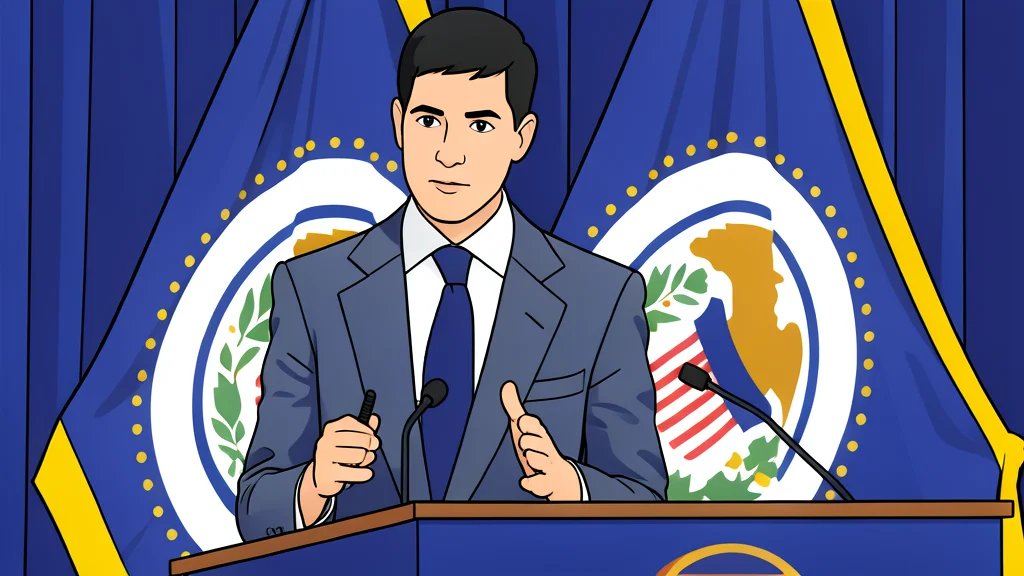
Higher rates increase the cost of borrowing. This mechanism reduces consumer spending and cools demand. The goal is to slow price gains without triggering a recession. Fed Chair Kevin Warsh will hold a press conference at 2:30 p.m. Eastern Time. This follows the Open Market Committee decision at 2:00 p.m.
Variable Rate Debt Costs Rise
Credit card holders with variable APRs will see increases. Analysts predict a 0.25 point rise in the coming months. This applies to current balances and future purchases. One hike adds only a few dollars to monthly bills. However, repeated hikes compound the financial burden.
Home equity lines of credit face similar pressure. Private student loans with variable rates also become more expensive. Fixed-rate auto loans and federal student loans remain unchanged. New borrowers for cars or personal loans face higher costs. Younger consumers are most exposed to this trend.
Mortgage Markets React Differently
The Fed does not set mortgage rates directly. Thirty-year fixed rates track long-term Treasury yields. The 10-year Treasury note is the primary driver. GN auto markets and housing data show this linkage. A Fed hike influences these longer-term yields indirectly. This creates a lag in mortgage rate adjustments.
Future Policy Path Uncertain
Markets now focus on the trajectory of future hikes. A single 25 basis point move has limited immediate impact. A series of increases would significantly tighten household budgets. Strategists note that multiple hikes are needed to tame inflation. The distinction between a one-off action and a trend is critical.