Fed Raises Rates for First Time in Three Years Despite White House Pressure
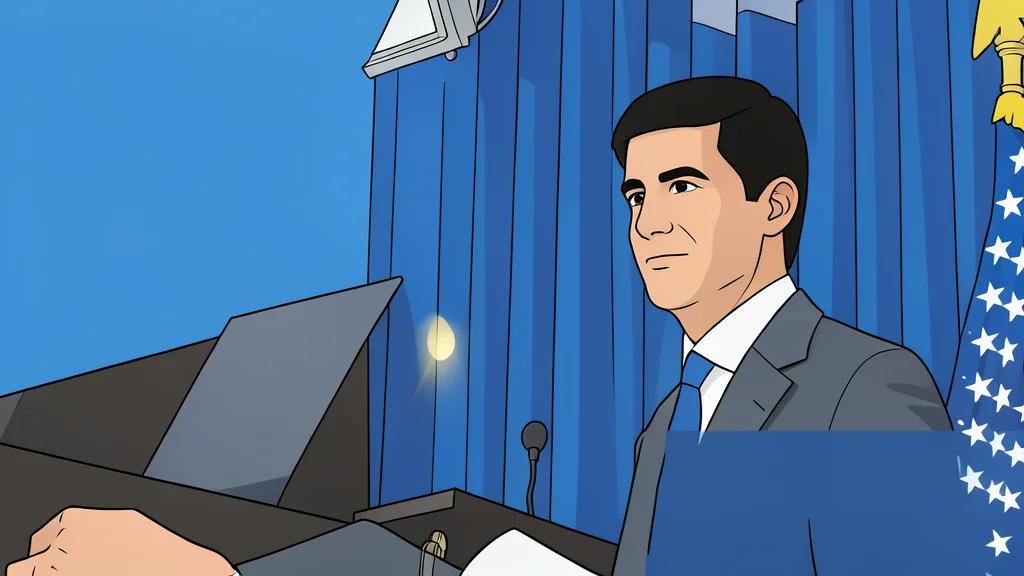
Kevin Warsh led the Federal Reserve to a unanimous rate hike, defying direct political threats from the White House.
The Federal Reserve raised interest rates by 25 basis points on Wednesday. This is the first increase in three years. Chair Kevin Warsh presided over a unanimous decision. The move targets inflation that has remained above the 2% target for over five years. Warsh stated the action demonstrates the bank's seriousness. This stance directly contradicts recent demands from the White House.
President Donald Trump criticized the decision immediately after the announcement. He wrote on social media that rates should be 1% or less. He cited the United States as the best credit in the world. This claim ignores a budget deficit likely to exceed $2 trillion this year. Warsh’s move occurred just weeks before midterm elections. White House adviser Kevin Hassett warned the Fed to stay out of election politics.
Political pressure meets monetary discipline
The central bank maintained a restrained tone during the post-meeting press conference. This contrasted sharply with the administration's volatile rhetoric. Treasury Secretary Scott Bessent has pushed for lower rates. Warsh chose to prioritize price stability over political alignment. This independence is a key distinction from previous administrations. The Fed’s stance aims to anchor long-term inflation expectations.
Market reaction remains measured
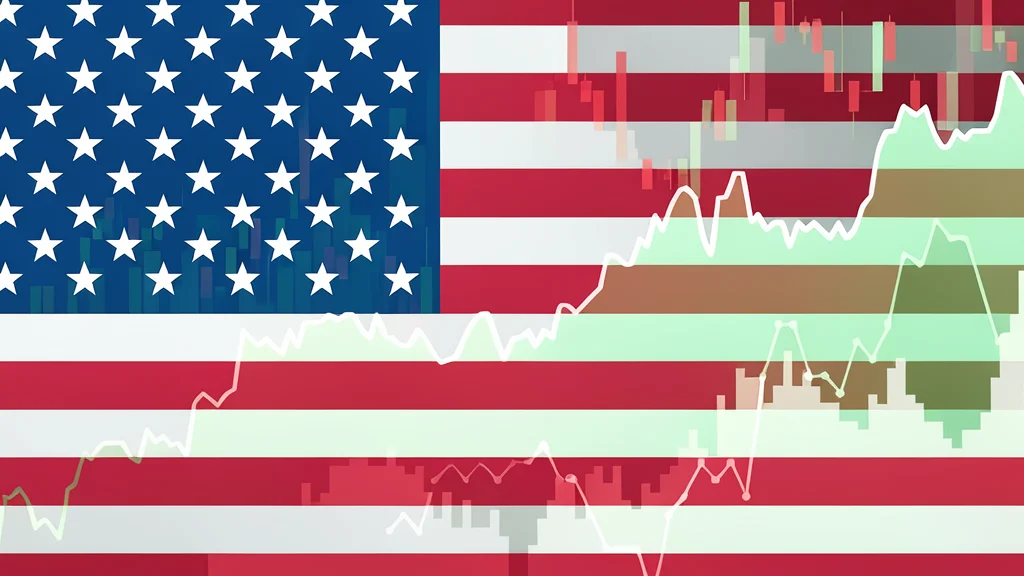
The S&P 500 index closed 0.4% lower on Wednesday afternoon. The 10-year Treasury yield rose above 5%. Investors interpreted the hike as a signal of stability. Markets expect further increases in December and twice in 2027. A rate cut would have likely triggered a severe sell-off in bonds. Warsh’s hawkish stance reduced fears of central bank capitulation.
Long-term yield implications for borrowers
Calm financial markets support lower long-term yields. This benefits mortgage rates and other long-term business loans. The Fed’s credibility remains a critical asset. Political interference risks undermining this stability. The current path prioritizes economic orthodoxy over short-term political gains. This approach aims to prevent a broader treasury market crisis.