Fed's Collins Sees Second Rate Hike This Year, Holds for 2027
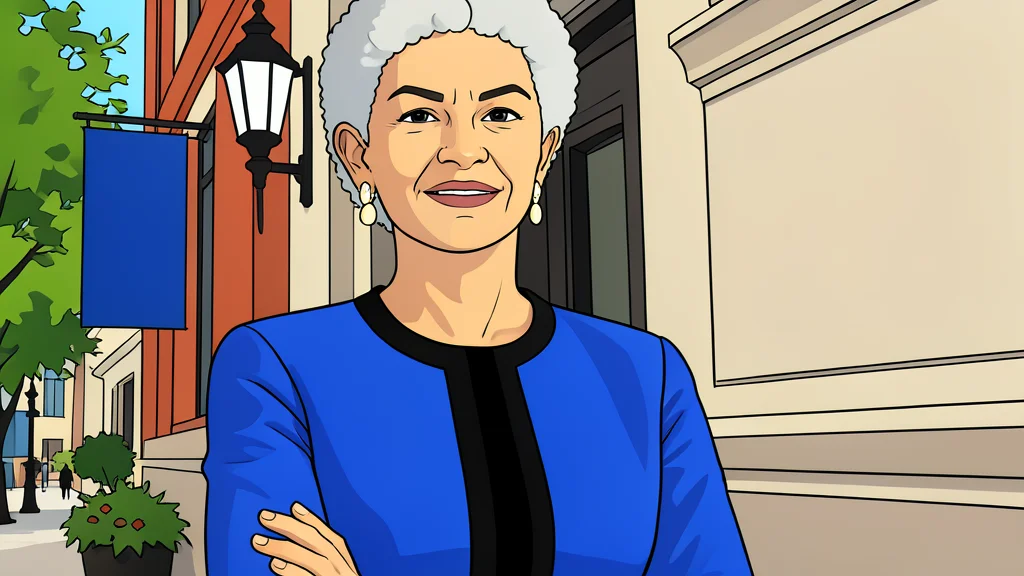
Boston Fed President Susan Collins cites Middle East conflict as a driver for a second rate increase before a 2027 pause.
Key points
- Susan Collins supports a second rate hike this year, citing Middle East conflict and high business costs.
- Austan Goolsbee warned that fighting inflation may require raising unemployment, contradicting Chair Warsh's stance.
- Collins expects the Federal Reserve to hold interest rates steady throughout 2027 after the additional increase.
Boston Fed President Susan Collins backed a second rate hike this year. She cited renewed Middle East fighting as a key factor in last week's quarter-point increase to 3.9%. Collins expects the central bank to hold rates steady in 2027.
The official noted that inflation has not progressed as hoped. She sees a rising risk that price growth remains above the two percent target for years. Business costs in her district remain high, with many firms planning to pass these expenses to consumers.
War-driven energy costs shape policy
Collins identified the August renewal of combat as a primary reason for the recent tightening. Energy price pressure from the conflict complicates the inflation outlook. This suggests the Fed may keep rates higher for longer to anchor expectations.
Officials disagree on labor market impact
Chicago Fed President Austan Goolsbee warned that curbing inflation may raise unemployment. He stated that persistent supply shocks leave the Fed little choice but to tighten. This view conflicts with Chair Kevin Warsh, who does not believe harming the labor market is necessary.
Market expectations adjust to hawkish signals
Traders are pricing in a firmer policy path as reported by investinglive.com. Higher rates are intended to curb demand and offset supply-side cost pressures. Incoming inflation data will now carry significant weight in determining the final trajectory.