Federal Reserve Hikes Rates to 3.9% Amid Inflation Pressure
The Federal Reserve raised its benchmark rate by 0.25 percentage points on Wednesday. This is the first increase in three years. The move aims to curb persistent inflation.
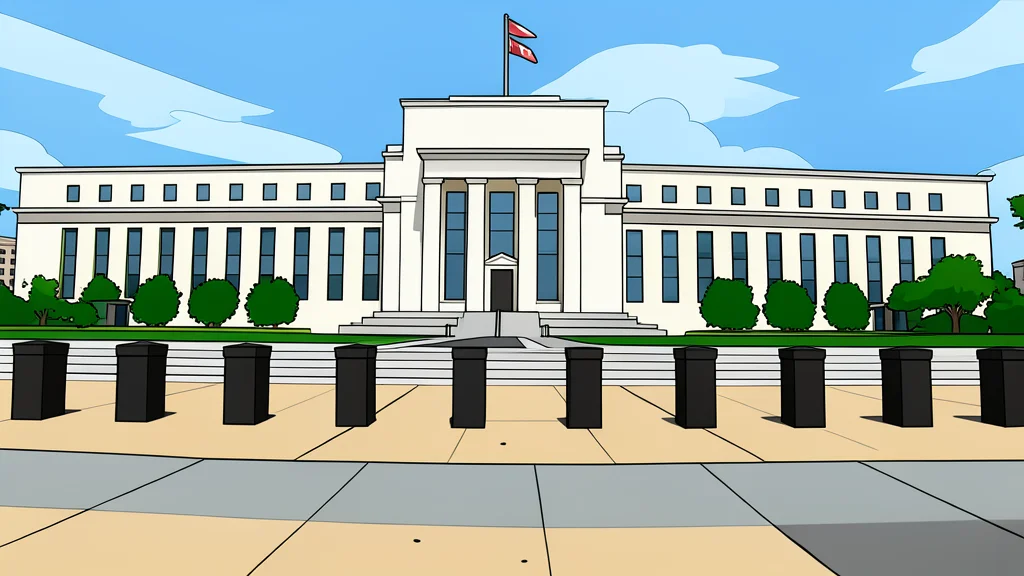
The Federal Reserve raised its benchmark interest rate by 0.25 percentage points on Wednesday. This is the first increase in three years. The action lifts the key rate to approximately 3.9%. The central bank cited stubbornly high inflation as the primary driver. The move seeks to bring inflation back to the 2% target. A second hike is expected later this year. The committee projects rates will reach 4.1% by year-end.
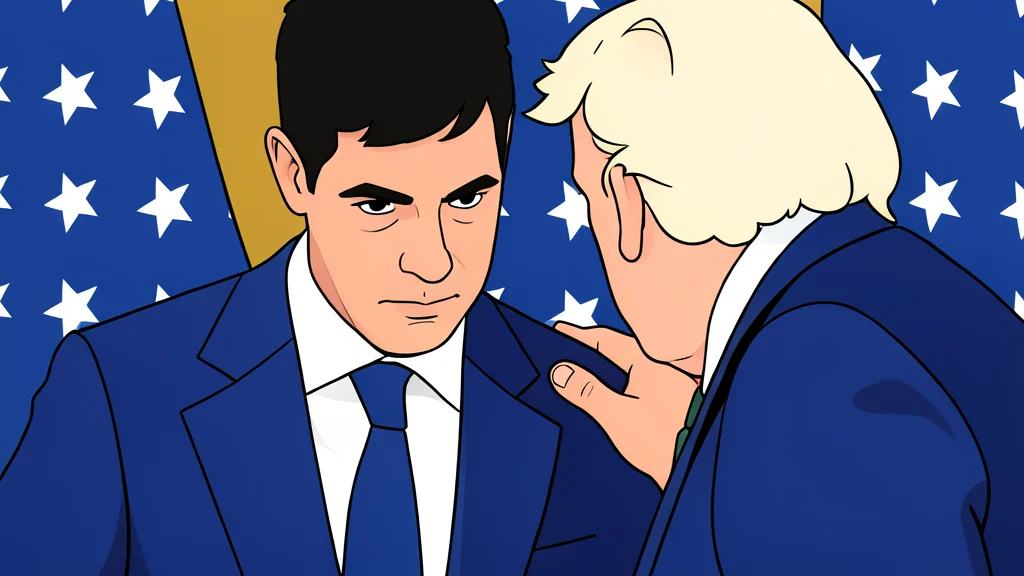
Chair Kevin Warsh faces a difficult balance between market expectations and political pressure. President Donald Trump has called for lower rates. Warsh, however, warned last month that inflation remains too high. Inflation hit 3.7% in July, up from 2.3% in April 2025. Core inflation, excluding food and energy, rose to 3.3%. The Iran conflict has pushed gas prices higher. This has complicated the economic outlook for the Fed.
Market Reaction to Policy Shift
Financial markets had anticipated this rate hike. Investors pushed up longer-term interest rates in July after the Fed held rates steady. The 10-year Treasury yield reached 5% this week. This is the highest level in three years. Mortgage rates have followed this upward trend. Diane Swonk of KPMG noted that a hike now could lower long-term rates later. Restoring faith in the 2% target may reduce the inflation premium. Failure to act could lead to market-driven tightening.
The decision carries political weight with midterms approaching. Affordability is a key issue for voters. High costs for groceries and housing remain a concern. Warsh risked his credibility if he had ignored market signals. He previously suggested rates could fall during his confirmation process. His current stance prioritizes price stability over political preference. The Fed’s statement emphasized a timelier return to the inflation goal.
Economic Implications for Borrowers
Higher rates will increase borrowing costs for consumers. Mortgage payments are expected to rise. Auto loan and credit card interest rates will also climb. Businesses face higher costs for new financing. The Fed’s projections suggest a continued restrictive stance. This policy aims to cool demand and control prices. The impact will be felt across the housing and automotive sectors. Credit availability may tighten as a result.
The Federal Reserve’s actions are closely watched by global markets. The hike signals a firm commitment to fighting inflation. Economic data will guide future decisions. The next meeting will provide further clarity. The 3.9% rate is a significant shift from the recent low. It reflects a change in the monetary policy stance. The Fed remains focused on its dual mandate. Price stability and maximum employment are the key goals.
Political Dynamics in Washington
The White House has publicly pushed for lower rates. Trump has criticized the Fed for high borrowing costs. Warsh was appointed by the president in May. He has faced scrutiny for his policy decisions. The rate hike contradicts the administration’s initial desire for cuts. Warsh’s legacy is at stake in this decision. Past Fed chairs who yielded to political pressure lost credibility. Warsh has chosen to align with market expectations. This move reinforces the Fed’s independence.
The situation highlights the tension between monetary policy and politics. The Fed must act independently to maintain trust. Investors rely on the central bank’s credibility. A perceived weakness could lead to higher long-term rates. Warsh’s decision supports the institution’s reputation. The 3.9% rate is a data-driven response. It ignores short-term political pressure. The Fed remains focused on long-term economic health. This approach aims to stabilize the financial system.