Food Inflation Exceeds CPI in Canada for 18 Months
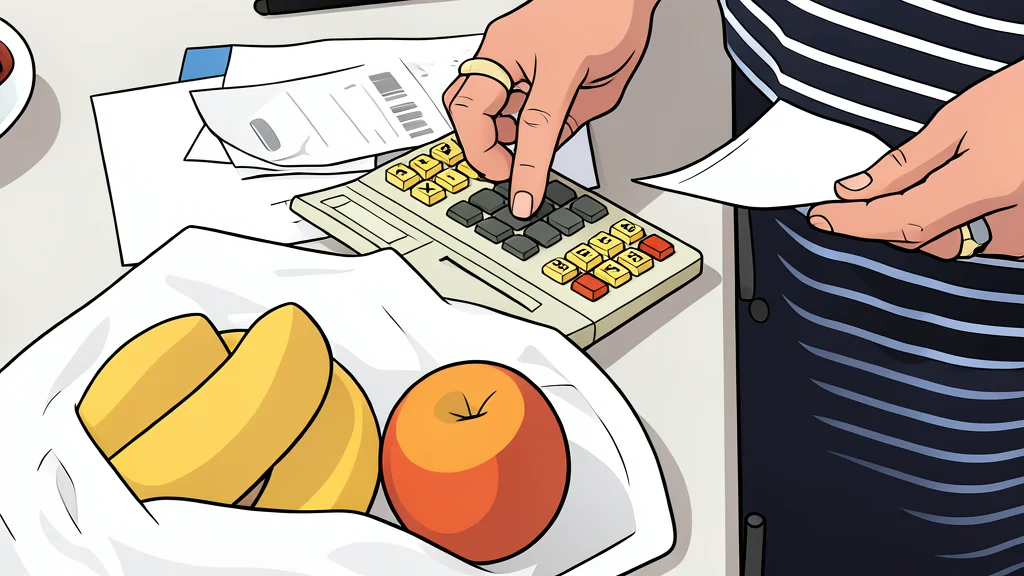
71% of Canadians now compare grocery prices across multiple stores, a behavioral shift driven by persistent cost pressures.
71% of Canadians now compare grocery prices across multiple stores, according to a survey by Milesopedia. This shift reflects a broader economic reality where food costs continue to rise faster than the general economy.
Statistics Canada data shows store-bought food prices increased by 3.1% year-over-year in July. Overall inflation sat at 3.0% during the same period. This marks the 18th consecutive month that grocery inflation has outpaced the broader Consumer Price Index.
Consumers split purchases across retailers
Households are not abandoning their preferred grocery chains. Instead, they are distributing their spending across several locations. A survey found that 39.1% of respondents are buying more private-label products. Another 34% are using coupons or discount applications to lower their bills.
Only 9.6% of shoppers reported switching their primary retailer. This indicates a strategy of maintaining a home store while purchasing specific items elsewhere. Shoppers are targeting loss-leader flyer items at competing banners to maximize savings on individual trips.
Fresh produce drives the cost squeeze
The highest price increases are concentrated in fresh food categories. Fresh fruit prices rose by 6.1% year-over-year, driven by berries and melons. Fresh vegetable prices increased by 3.9% over the same period.
These items are difficult to substitute with cheaper store brands. Consequently, 24.4% of shoppers have reduced their overall purchase of meat or fresh food. They are cutting back on volume rather than just switching to lower-cost alternatives.
Loyalty programs offer limited relief
Loyalty programs remain a central part of Canadian grocery shopping habits. 85% of respondents stated they use a rewards program on every trip. However, only 7.1% believe these points significantly offset rising prices.
Nearly half of consumers, 49.5%, report that rewards offset very little or nothing. Retailers are increasing app-exclusive bonus point events to drive traffic. Despite these incentives, direct price comparison remains the primary method for managing household budgets.