Goolsbee Warns Against Rate Cuts to Fund US Debt
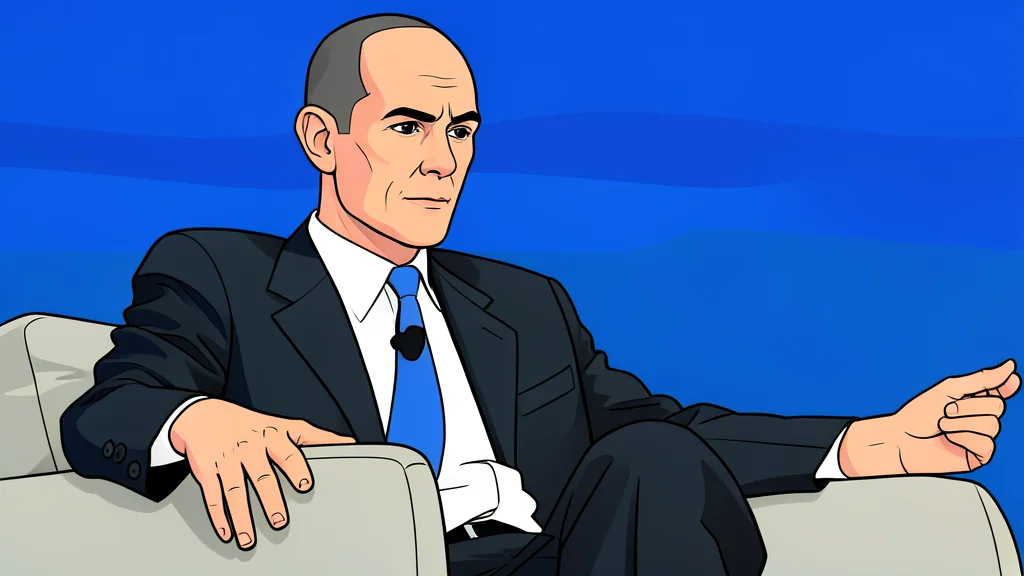
Chicago Fed President Austan Goolsbee states that cutting rates to lower debt costs is a primary argument for central bank independence.
Key points
- Austan Goolsbee rejected using rate cuts to lower US government debt financing costs.
- Current Fed policy rates are 3.75%-4.00%, while US deficits remain at 6% of GDP.
- Goolsbee stated that debt monetization is the primary argument for central bank independence.
Chicago Federal Reserve President Austan Goolsbee rejected proposals to lower interest rates for financing government debt. He stated that such actions undermine the essential independence of the central bank.
The current policy rate range sits between 3.75% and 4.00%. This level is significantly higher than the 1% target suggested by President Donald Trump. Annual deficits remain elevated at approximately 6% of economic output.
Independence Protects Against Political Pressure
Goolsbee described debt monetization as the canonical argument for central bank autonomy. He warned that forcing rates lower to reduce deficit costs leads to higher inflation. Market borrowing rates would rise to adjust for these rising inflation expectations.
The Federal Reserve should treat fiscal policy as background weather. It influences inflation but remains a matter for elected officials. This separation prevents the central bank from becoming a tool for fiscal management.
Fiscal Deficits Strain Borrowing Costs
Long-term rates on US debt have risen recently. This increase adds to the cost of financing annual deficits. The deficit level remains near 6% of annual economic output.
President Trump argues the US stands as the world's most trustworthy borrower. He suggested the Fed should cut rates to reflect this status. Goolsbee countered that this approach risks destabilizing inflation expectations.
Market Expectations Drive Rate Decisions
Most economists believe forced rate cuts would backfire. Inflation expectations would rise, causing market rates to bid higher. This dynamic makes debt financing more expensive over time.
The Lufkin Daily News reported on Goolsbee's remarks in London. He emphasized that the Fed must remain independent. This independence allows the bank to prioritize price stability over fiscal objectives.