Brent Crude Stays Above $102 as Iran Talks Stall

Brent crude trades at $102.20 per barrel. Iran demands sanctions relief before reopening the Strait of Hormuz.
Key points
- Brent crude traded at $102.20 per barrel while WTI stood at $91.43.
- Iran demands sanctions relief and asset unfreezing to reopen the Strait of Hormuz.
- Oil prices are up 60% year-to-date despite a recent six-day losing streak.
Brent crude traded at $102.20 per barrel. West Texas Intermediate stood at $91.43. Prices held firm despite reports of Middle East peace talks. The UN General Assembly session highlighted ongoing geopolitical tensions.
Earlier in the week, Brent fell below $100. This drop followed news of Saudi Arabia restarting its East-West pipeline. Oil flows via the Strait of Hormuz also increased. However, recent diplomatic friction reversed those gains.
UN speech escalates regional tensions
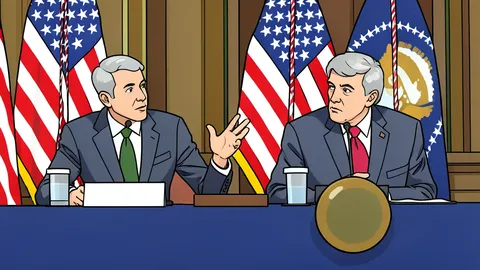
President Trump threatened Iran with annihilation at the UN. He simultaneously described peace talks as very productive. Iran’s President Masou Pezeshkian rejected this approach. He stated the Iranian people would not bow to pressure.
Iran sets conditions for Hormuz
Iran demands the US lift its naval blockade. It also requires an end to sanctions. Additionally, Tehran wants the unfreezing of Iranian assets. The US has not accepted or rejected these terms yet.
These unresolved conditions keep the war risk premium high. As a result, the Strait of Hormuz remains a chokepoint. Traders expect prices to stay elevated until these demands are met.
Price trends show strong gains
Oil benchmarks posted six consecutive daily losses recently. This streak ended with a 4% gain on Wednesday. According to ING strategists, prices are up 60% year-to-date. This marks a significant increase from a month ago.
The Saudi pipeline restart did not lower prices enough. Geopolitical risk outweighs the supply increase from Saudi Arabia. Therefore, the market remains focused on diplomatic outcomes. Investors watch for any signs of de-escalation.