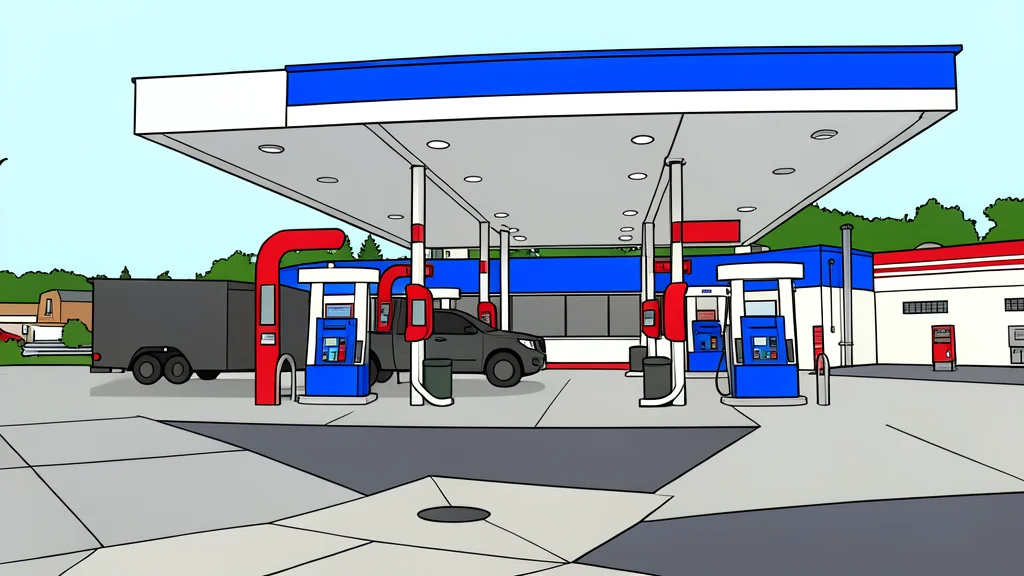
California Gas Prices Set to Drop After Record Highs

California regular gasoline hit $6.08 per gallon this week. A seasonal fuel switch could lower costs by up to 30 cents by late October.
The statewide average price for a gallon of regular gasoline in California reached $6.08 on Thursday. This figure represents a 19-cent increase over the previous seven days. Data from AAA confirms this sharp weekly rise across the state. San Jose and San Francisco recorded even higher weekly increases of 20 and 21 cents respectively. Solano County remains the only Bay Area region below the state average at $6.03 per gallon.
Diesel prices have climbed even more steeply, reaching a record high of $8.35 per gallon. This represents a year-over-year increase of $3.18. Patrick De Haan, Head of Petroleum Analysis at GasBuddy, notes that diesel drives the US economy through distribution and supply chains. High diesel costs will likely translate to higher retail prices for everyday goods. Consumers may see these effects in grocery stores and delivery services within the next one to two months.
Seasonal Blend Change Offers Relief
California is scheduled to switch from summer to winter gasoline blends by the end of October. This regulatory change typically reduces the cost of fuel. GasBuddy estimates the shift could lower prices by 10 to 30 cents per gallon. This drop would partially offset the recent weekly increases. Drivers may see immediate savings at the pump following the transition.
Geopolitical Risks Cloud Price Outlook
Current price trajectories depend heavily on geopolitical stability in the Middle East. De Haan states that further escalations around the Strait of Hormuz could accelerate price growth. Conversely, diplomatic progress or reduced tensions could lead to price declines. The market remains sensitive to news regarding Houthi attacks and broader regional conflicts. Any new instability could reverse the expected seasonal price drop.
Consumer Impact Extends Beyond Gas Pumps
Rising fuel costs affect more than just vehicle drivers. Perishable goods like meat and produce face higher transport expenses. Manufacturers of furniture and appliances may absorb some costs to maintain sales volume. De Haan warns that sticker shock is likely during the holiday shopping season. Businesses are passing distribution costs onto consumers through higher retail prices. This indirect impact limits consumer choice in many categories.