China's 1.4 Billion Barrel Reserve Stabilizes Global Oil Prices
Crude oil prices remain volatile but have not doubled. Beijing's massive strategic reserve has absorbed supply shocks that would have otherwise skyrocketed costs for global consumers.
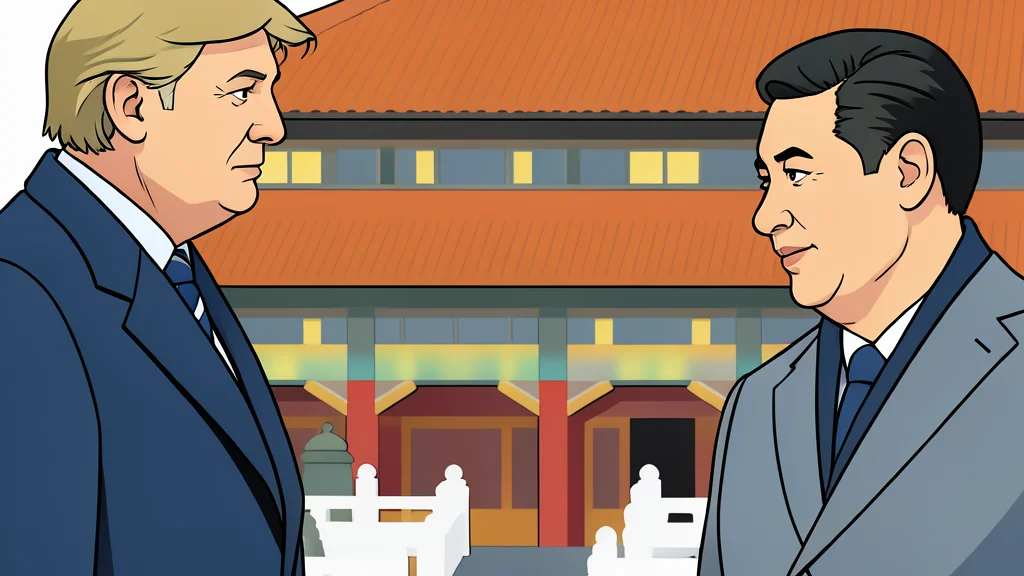
Oil prices have not reached the projected doubling levels despite a six-month conflict. The most dire forecasts for energy costs have not materialized. This stability is attributed to Beijing's strategic reserves. Chinese President Xi Jinping arrives in Washington next week for a state visit. His presence highlights the role of Chinese policy in moderating global market volatility.
Analysts from Bank of America forecast oil at $83 per barrel for the second half of the year. They cite persistent disruptions to the Strait of Hormuz. The conflict has remained active since late February. Investors and motorists have faced ongoing price volatility. The absence of a price collapse is a key factor in current economic discussions.
Beijing Builds Massive Strategic Reserve
China holds the world's largest oil stockpile. Estimates place the reserve at 1.4 billion barrels by last year. This accumulation spans a decade of strategic planning. Energy self-reliance is now part of China's five-year plan. The reserve protects the nation from foreign supply risks. It allows Beijing to reduce imports during crises.
China is the world's second-biggest oil consumer. It is also Iran's top buyer. The country cut crude imports after U.S. and Israeli bombardments began. Tehran effectively closed the Strait of Hormuz during this period. China's reduced demand softened price increases for the U.S. and Europe. This shift in consumption patterns provided a buffer for global markets.
Red Sea Disruptions Test Stability
Saudi Arabia temporarily shut a vital crude pipeline this month. The shutdown followed attacks by Iran-backed militias. The pipeline transports oil to Red Sea ports. Yemen-based Houthis seized two strategic islands in the southern Red Sea. These actions bolster the rebels' ability to disrupt shipping routes. The maritime security situation remains tense.
Planned talks among Gulf nations have been put on hold. These discussions focused on reopening the Strait of Hormuz. They were scheduled to take place earlier this week. President Trump will meet with Gulf Cooperation Council leaders Tuesday. The meeting will occur on the sidelines of the U.N. General Assembly in New York. The group includes Saudi Arabia, the U.A.E., Qatar, Oman, Kuwait, and Bahrain.
Diplomatic Efforts Mitigate Economic Risk
Rosemary Kelanic of Defense Priorities notes China's strategic position. She states that Beijing understands the global economic linkages. Rising oil prices hurt the global economy. This damage eventually impacts China. The current trade truce between Washington and Beijing remains fragile. Public comments from Trump have been careful regarding differences with Xi. The focus remains on maintaining stable energy flows.
Retired U.S. Navy Rear Adm. Mark Montgomery credits China's reserves. He compares the reserve building to the U.S. experience after 1973. The U.S. took 25 years to build a similar capacity. China accomplished this in ten years. This capability allows Beijing to weather supply shocks. The GN auto markets/energy report highlights the crude oil price implications. The situation remains tenuous for industry experts.