Crude Prices Drop as Saudi Export Risks Abate
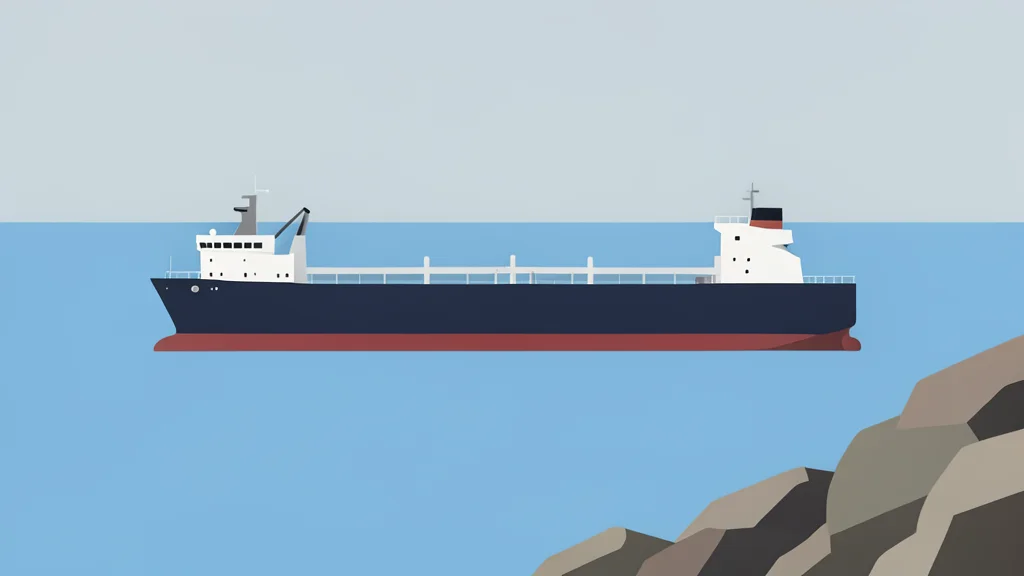
Brent crude falls to $103.65, ending a three-week winning streak after Saudi Arabia reroutes exports through the Gulf of Oman.
Brent crude settled at $103.65 per barrel, marking the first weekly decline after three consecutive periods of gains. West Texas Intermediate traded at $101.04 per barrel. Both benchmarks remain above the $100 threshold. This price level continues to pressure consumer fuel costs and government budgets.
Market sentiment shifted after Saudi Aramco announced a change in export logistics. The company moved operations to ship-to-ship transfers in the Gulf of Oman. This route bypasses the Strait of Hormuz. The move alleviated fears that the closure of the East-West pipeline would cause a prolonged supply shortage.
Aramco Bypasses Blocked Pipeline Routes
The East-West pipeline, which previously transported 4 to 5 million barrels daily to the Red Sea, is temporarily offline. Attacks by Yemeni Houthis rendered the route unavailable. Saudi Arabia canceled several cargoes destined for Europe earlier in the week. These cancellations initially heightened trader anxiety about physical supply availability.
Aramco is now utilizing the Persian Gulf coast for transfers. This strategy keeps oil moving outside the contested Strait of Hormuz. Reports indicate the company expects to restore half of its daily pipeline flows. However, this would only cover 2 to 2.5 million barrels. A global shortfall remains until full capacity is restored.
Geopolitical Premium Faces Pressure
Analysts suggest the geopolitical premium embedded in crude prices may unwind. Priyanka Sachdeva of Phillip Nova noted that physical flow normalization is the key variable. The timeline for recovery remains uncertain. Sustained improvement in traffic through the Strait of Hormuz is required for further price relief.
The market is currently pricing in a temporary disruption rather than a structural shift. The ability of major producers to reroute logistics has proven resilient. This flexibility has prevented a sharper spike in prices. Traders are now monitoring the duration of the pipeline outage closely.
Market Data Confirms Weekly Loss
Data from GN auto markets/energy confirms the direction of the weekly decline. The drop reflects a reduction in risk premiums rather than a change in demand. Consumer demand remains stable despite higher retail prices. The market is adjusting to the new physical reality of Saudi exports.
Brent and WTI are holding their ground above the symbolic $100 mark. This level acts as a support line for many market participants. Any further disruption to Saudi flows could push prices higher. Conversely, a rapid restoration of the East-West pipeline could trigger a steeper correction.