Eurozone Inflation Hits 3.3% Amid Energy Supply Shock
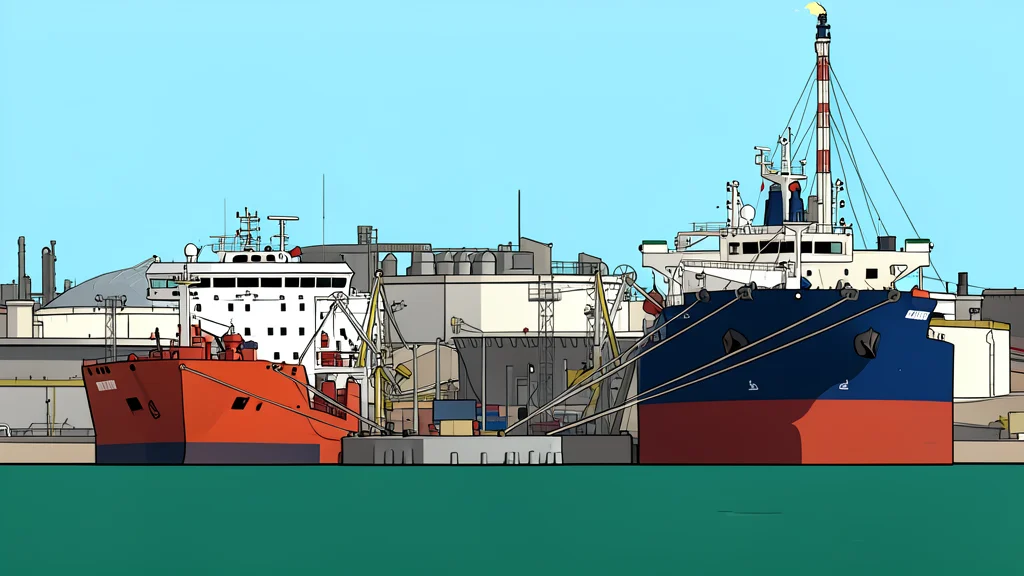
Eurozone inflation accelerated to 3.3% as dual supply shocks from the Gulf and Eurasia tighten energy markets. The crisis threatens to destabilize European economic stability.
Eurozone inflation rose to 3.3% in recent data. Energy costs within that total jumped to 14.3%. Saudi Arabia halted crude deliveries to European refineries for next month. The disruption stems from simultaneous conflicts in the Middle East and Eurasia.
Europe relies heavily on spot markets for oil and gas. Strategic reserves remain low. The continent faces a dual threat from reduced Gulf supply and constrained Russian exports. This combination drives up prices for diesel, electricity, and food.
Red Sea Route Disruption
Houthi forces captured key islands in the Bab el-Mandeb Strait. These locations sit directly on tanker and LNG shipping lanes. War-risk insurance premiums have surged for these transits.
Major insurers are withdrawing coverage for the region. Shipping companies are diverting vessels around the Cape of Good Hope. This route adds 10 to 14 days to voyages. Global supply chain costs are rising as a result.
Gulf Pipeline Closure Impact
The Strait of Hormuz closed from February to early September. This removed 17 to 19 million barrels per day from global markets. Saudi Arabia diverted crude through its East-West Pipeline to Yanbu.
Flows at Yanbu increased from two million to six million barrels daily. A drone attack on a pumping station on September 11 closed the line. It remains unclear when the pipeline will reopen.
Eurasian Supply Constraints
Ukrainian strikes on Russian refineries limit industrial output. European sanctions restrict alternative inflows from other sources. The market faces a synchronized drop in available supply.
According to GN auto markets/forex: eurozone inflation data, the situation is critical. Analysts describe the energy crisis as morphing into a financial crisis. Europe lacks the infrastructure to buffer these shocks effectively.