Gasoline Prices Rise Despite Crude Oil Decline
US gasoline costs increased by 0.9% on September 16 while crude oil dropped 3.5%. Diesel prices have climbed 77% in 2026, straining transport sectors.
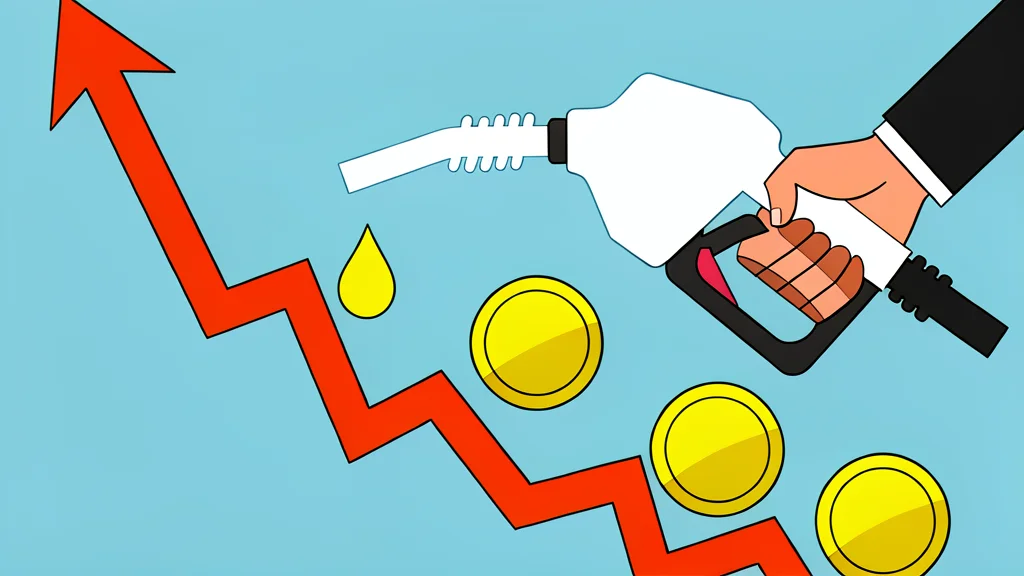
US gasoline prices rose 0.9% to 4.367 dollars per gallon on September 16. This increase occurred while crude oil prices fell 3.5% during the same session. The disconnect highlights a lag in retail fuel adjustments. Nationwide gasoline costs are up more than 50% in 2026. Diesel prices reached 6.3103 dollars per gallon, a daily gain of 0.7%.
Transportation companies face rising operational costs. Many trucking and rail firms are adding fuel surcharges to base rates. These surcharges often trigger further price hikes in diesel. The situation creates a cycle of increasing expenses for logistics providers. Farmers and construction firms also report higher fuel bills for machinery.
Geopolitical conflicts drive supply constraints
Military actions starting in February reduced crude oil flows through the Strait of Hormuz. This strait handled roughly 20% of global crude shipments before the conflict. US and Israeli attacks on Iran have intensified supply disruptions. The conflict has now entered its seventh month. Global energy markets remain unstable due to these ongoing tensions.
Ukraine-Russia hostilities further complicate the fuel landscape. Drone and missile attacks have cut Russian diesel exports significantly. US exports have partially filled the resulting supply gap. However, domestic US inventories are shrinking. Matt Muenster of Breakthrough notes this tightens the market. High prices are expected to persist until mid-November.
Retail prices decouple from crude trends
Crude oil prices dropped as much as 3.5% on September 16. Retail gasoline prices did not reflect this decline immediately. GasBuddy data showed an average of 4.423 dollars per gallon. This figure rose from 4.359 dollars the previous day. The market is not passing savings to consumers quickly.
GN auto markets/energy reports that this divergence is becoming a pattern. Motorists and truckers see little relief from the dip in oil prices. The lag stems from distribution and refining costs. These structural factors keep retail prices elevated. Consumers continue to pay above average rates for fuel.
Economic impact spreads across sectors
Diesel is critical for US economic activity. It powers trucks, farm equipment, and construction machinery. Rail locomotives also rely heavily on diesel fuel. Rising costs force businesses to adjust their pricing strategies. Some may delay projects or pass costs to end consumers.
The duration of high prices remains a concern for planners. Economists predict elevated costs will last at least until mid-November. This timeline affects budgeting for logistics and agriculture. Companies must adapt to sustained fuel expense pressure. The current environment tests the resilience of supply chains.