Germany Cuts Fuel Tax by 17 Cents to Ease Costs
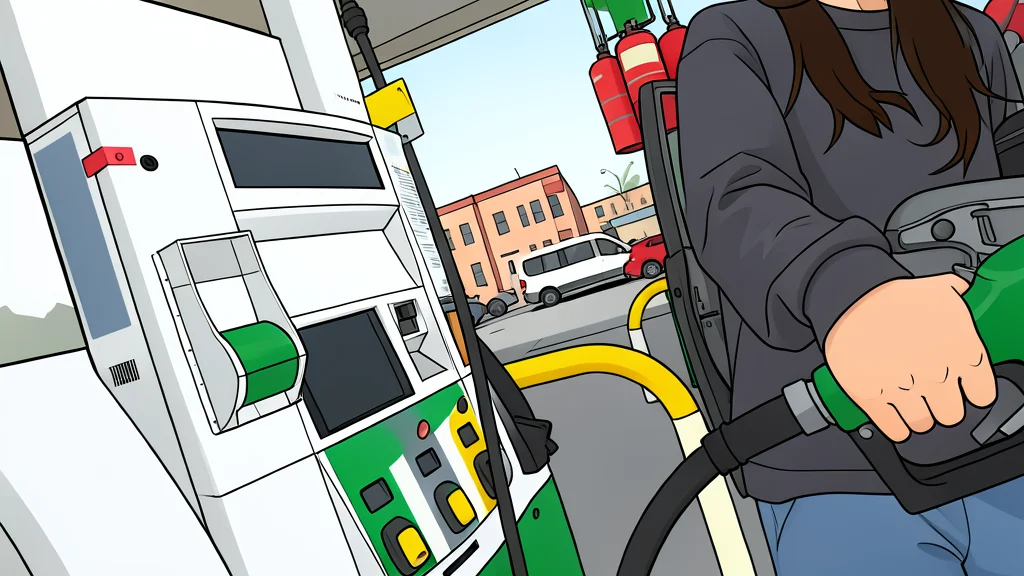
The German government approved a 17-cent reduction in gasoline and diesel taxes starting in October. This measure aims to offset rising energy costs for motorists.
German Chancellor Friedrich Merz’s coalition government agreed to lower fuel taxes by 17 cents per liter. The reduction applies to both gasoline and diesel. It takes effect in October 2026. A price cap on fuel follows in January 2027. The government cites the Iran conflict as the primary driver of price spikes. Tehran’s control of the Strait of Hormuz restricts Gulf crude exports. Houthi attacks on Red Sea routes have further disrupted supply chains. These geopolitical factors have pushed domestic prices higher.
The decision follows negotiations between federal and state authorities. Sources from the DPA news agency confirmed the details. The move responds to political pressure from the far-right AfD party. The CDU, Merz’s party, faces declining support in polls. Nearly half of Germans expect the Chancellor to step down soon. Two states, Mecklenburg-Western Pomerania and Berlin, hold elections this weekend. The fuel relief package serves as a key policy response ahead of these votes.
Geopolitical factors drive price surge
Experts warn that gasoline prices could approach three euros per liter. This equates to 13.50 dollars per gallon. Station operators claim they earn only small commissions on fuel sales. They rely largely on convenience store revenue for profit. The tax cut is designed to lower the final price at the pump. The January 2027 cap will further limit price volatility. The government aims to stabilize costs for households and businesses.
Political stakes rise before state elections
The fuel discount announcement comes two days before regional elections. Merz faces intense scrutiny over his economic management. The AfD’s surge in popularity complicates the political landscape. The center-right bloc seeks to retain its base. The tax relief is a direct concession to voter concerns. It signals a shift toward immediate economic support. The government prioritizes stability ahead of the weekend vote.
Agricultural sector faces separate harvest issues
Bavarian hop farmers report a poor 2026 harvest. Initial estimates show a yield of 29,244 metric tons. The Bavarian State Office for Statistics released the data on Friday. This decline affects the brewing industry across the region. The fuel price crisis and agricultural challenges create a dual economic pressure. Both sectors face cost and volume constraints simultaneously. The government’s focus remains on energy costs despite these varied reports.