Hormuz Tanker Traffic Falls to Four
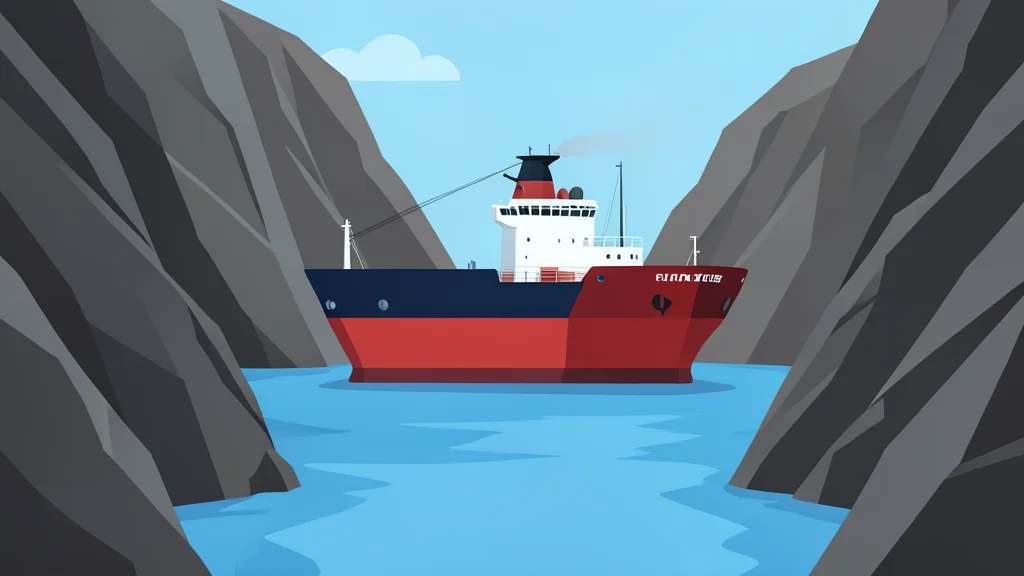
Only four vessels passed through the Strait of Hormuz on Tuesday. This figure is down from seven the previous day. The 10-day average has dropped to 18. Saudi Arabia is canceling crude loads from Yanbu.
Four tankers traversed the Strait of Hormuz on Tuesday. This number is lower than the seven recorded the previous day. The data comes from ship-tracking services cited by Reuters. It excludes vessels that have disabled their geolocation systems.
The 10-day moving average for traffic has fallen to 18. This is a significant drop from double-digit averages seen earlier in the month. None of the four vessels were very large crude carriers. Two entered the strait, and two exited.
Yanbu Loading Suspensions
Saudi Arabia has suspended oil loading at Yanbu. This follows a Houthi attack on the East-West pipeline. Reports indicate the Houthis are expanding control over the Bab el-Mandeb strait. This targets Saudi shipments in the Red Sea.
Aramco is assessing the damage to the pipeline. Estimates for repair time range from a few days to several weeks. Saudi Arabia may look to increase shipments via Hormuz. However, current crossing numbers make this difficult.
Risk Factors for Shipping
Vessel owners are exercising greater caution in the region. This is due to re-escalating hostilities and strikes on tankers. The threat from Iran-aligned Houthis has increased. These factors are driving the decline in visible traffic.
Windward data showed only one tanker entering on September 15. That vessel was an oil product carrier. The visible traffic rate remains severely subdued. Even if dark-mode traffic matches visible traffic, levels are low.
Market Implications for Crude
GN auto markets/energy reports that crude oil prices are reacting to these disruptions. The suspension of Yanbu exports removes a key supply route. This adds pressure on global oil inventories. Traders are monitoring the repair timeline closely.
The reduction in Hormuz traffic signals ongoing geopolitical risk. This uncertainty supports higher price premiums for crude. The market expects volatility to continue until the pipeline is repaired. Shipping insurance costs are also rising in the region.